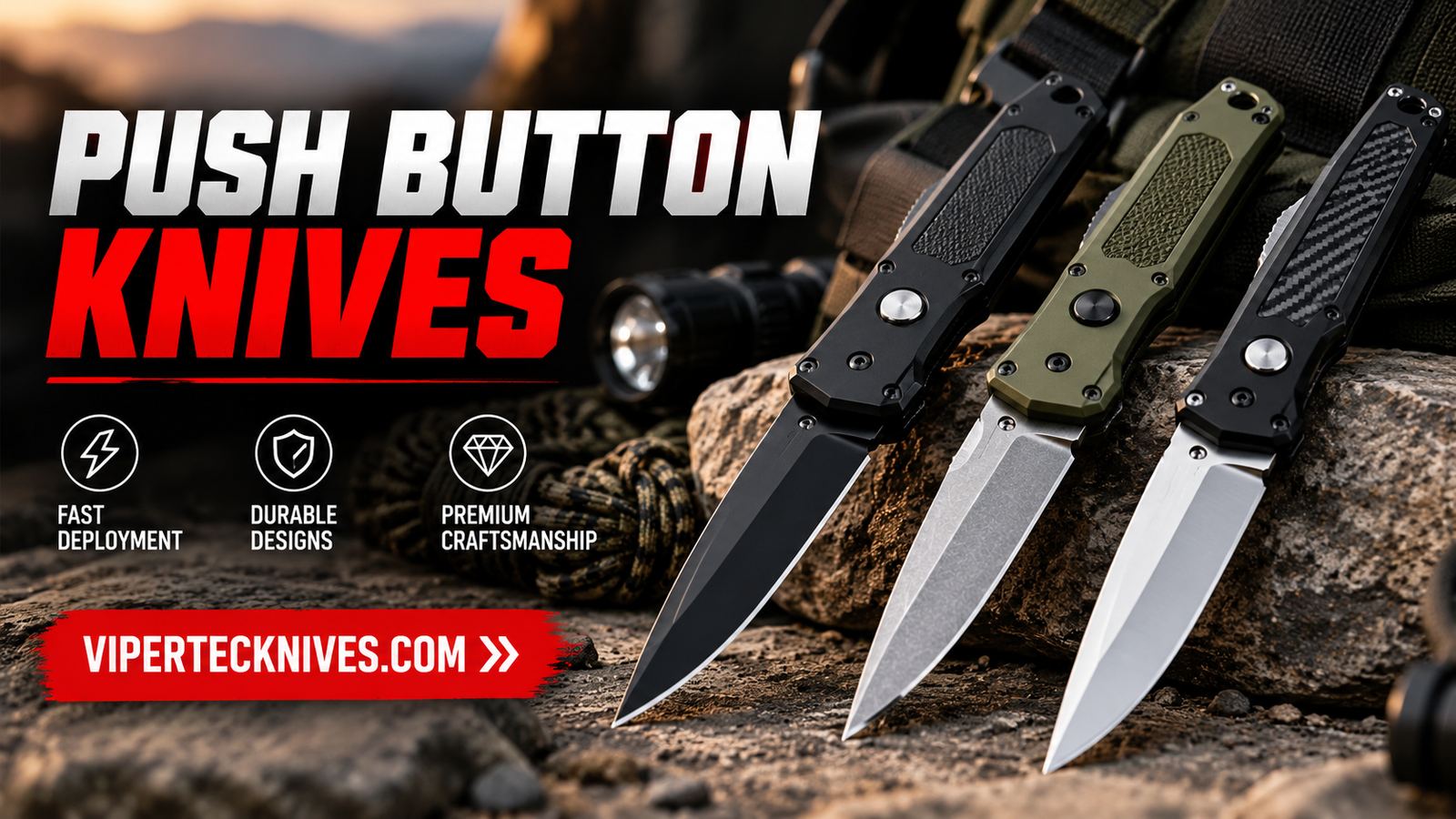

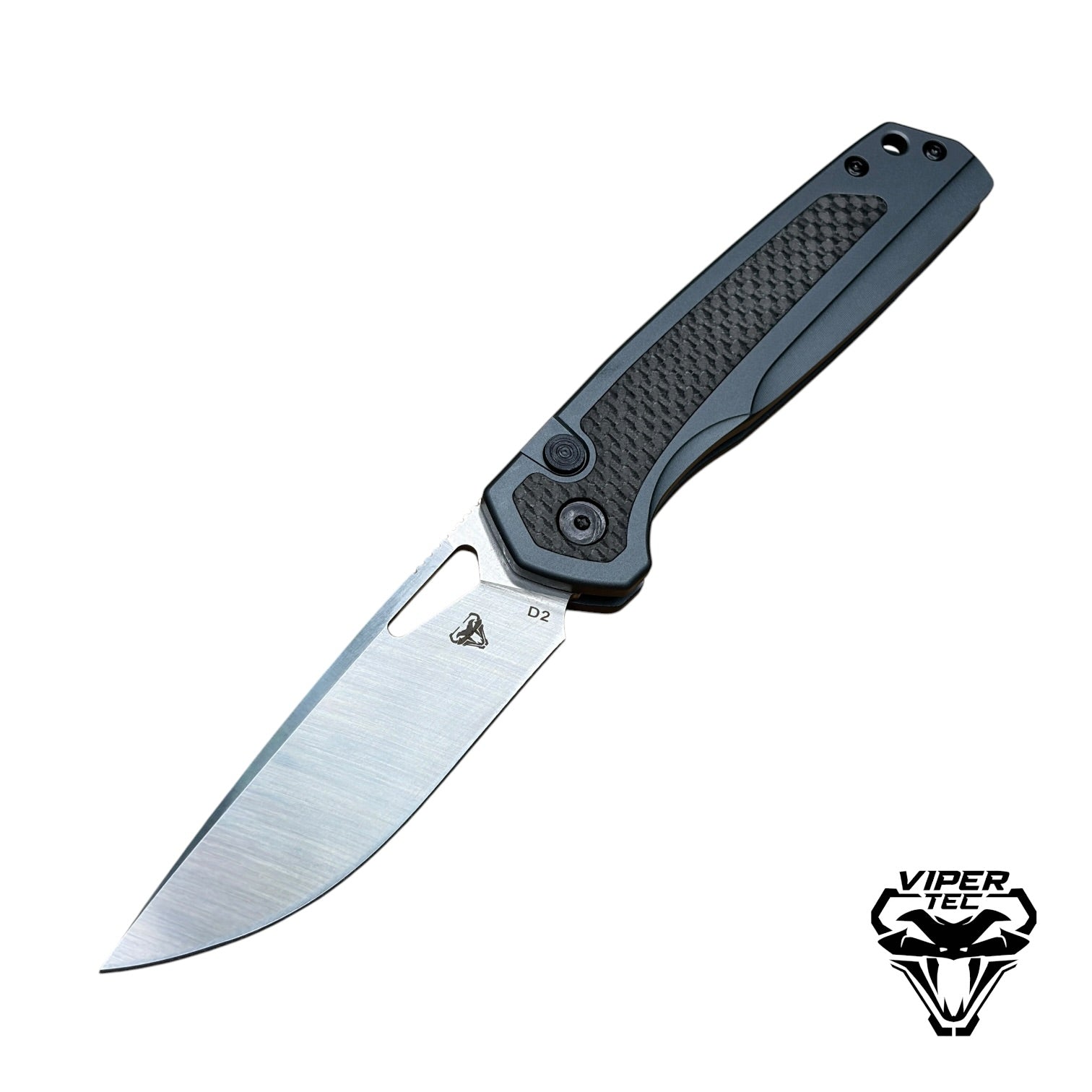
Stiletto knives began as slender thrusting blades in Italy and evolved into the iconic folding and automatic forms seen today. Their long, narrow profiles and needle-like points trace a clear design lineage from the 15th-century stiletto dagger, often triangular or diamond in cross-section for maximum rigidity, to the sleek, spring-driven Italian switchblades of the 20th century.
As the blade migrated from fixed to folding and then to automatic mechanisms, its signature silhouette stayed constant: an elongated, tapering point; slim handles capped with polished bolsters; and swedged or bayonet grinds that accentuate the knife's arrow-straight geometry. By the postwar era, workshops in Maniago refined these features into reliable, fast-deploying pocket knives whose look became instantly recognizable. Cinema, pulp fiction, and later music and street style amplified that recognition, cementing the "stiletto" as a cultural icon.

What Defines a Modern Stiletto
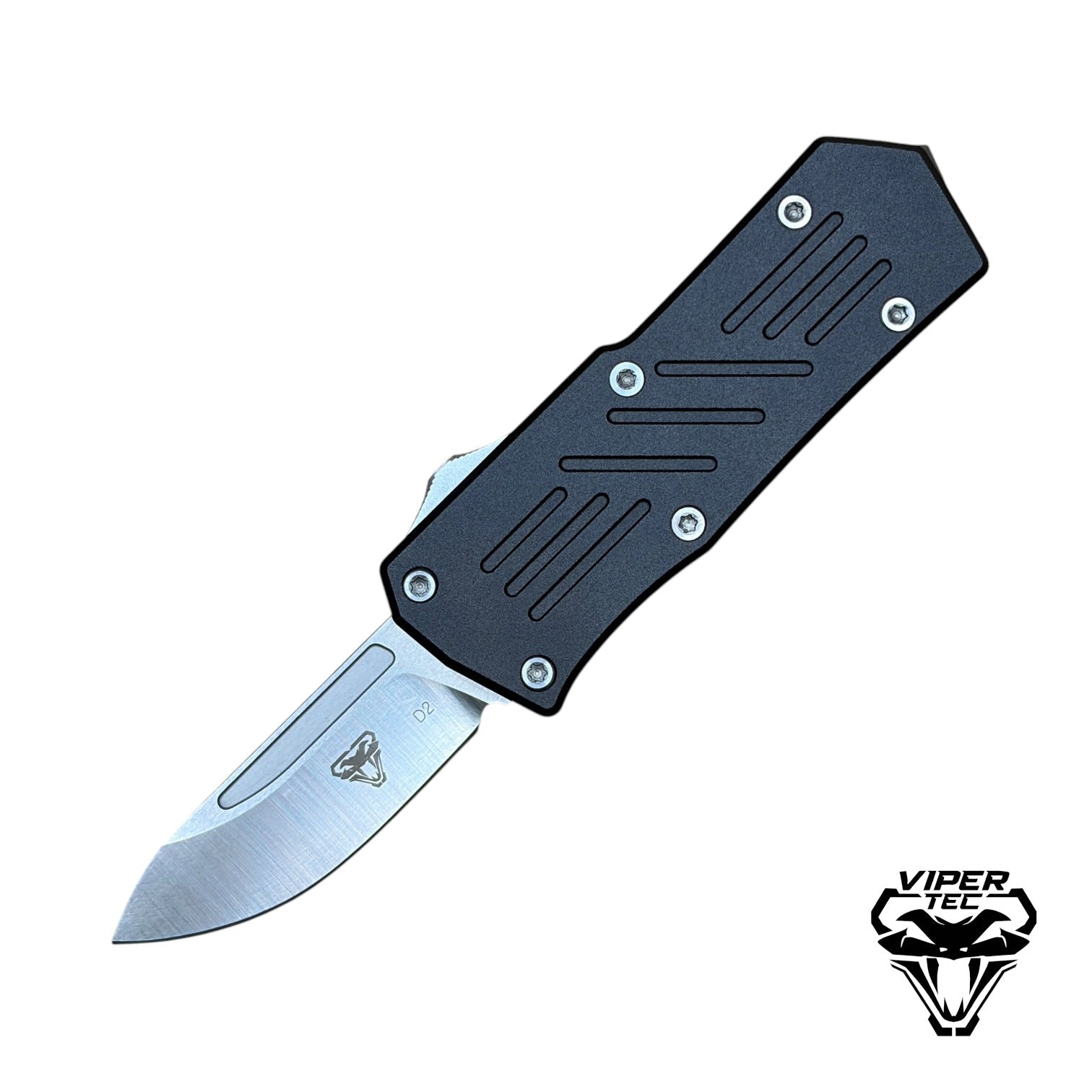
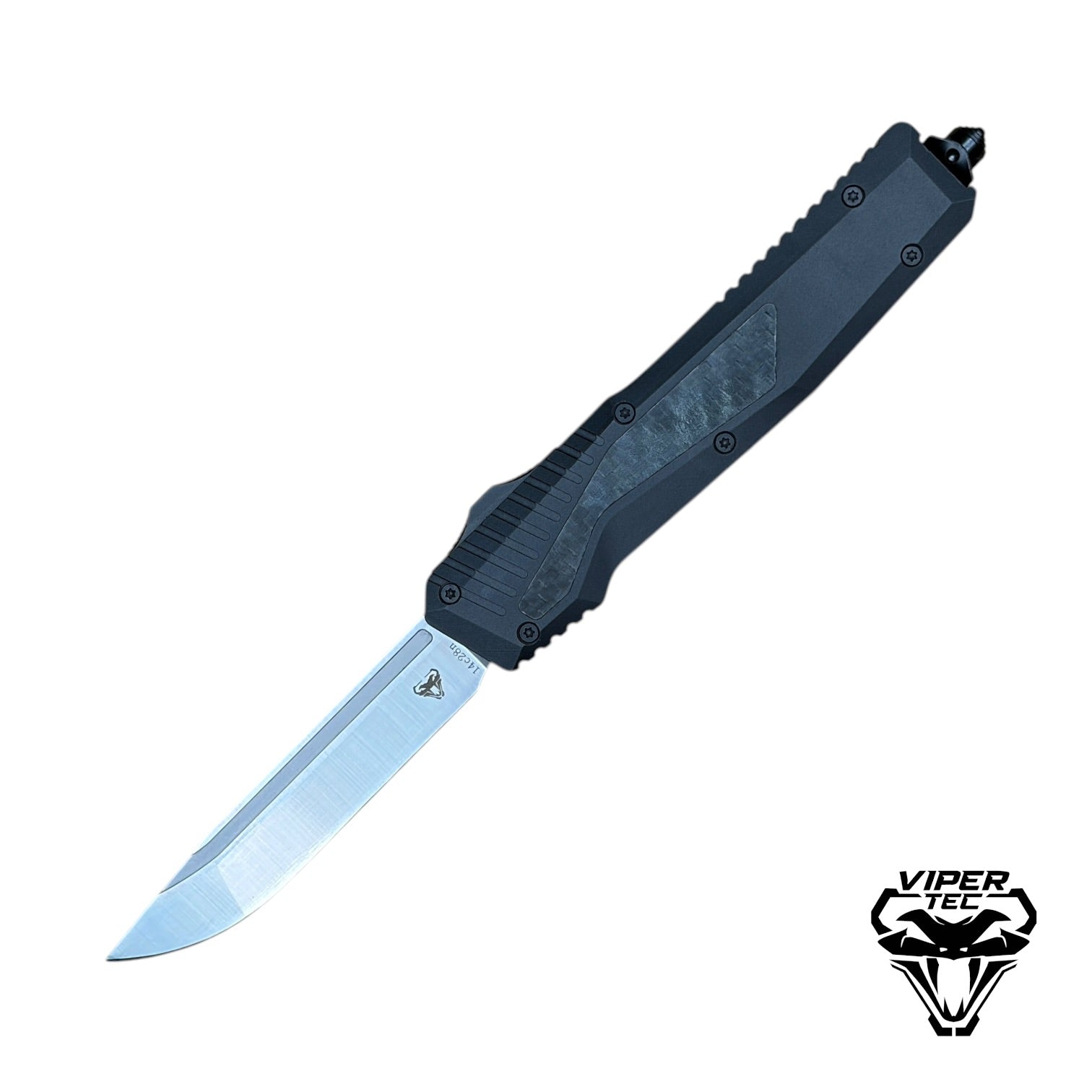
Contemporary stiletto knives balance heritage lines with practical features that suit everyday carry (where legal). Buyers will notice hallmark traits such as elongated bayonet/dagger blade profiles, slim handles, and positive locking mechanisms, now paired with improved steels, precision machining, and more robust safety systems. Many current models also embrace out-the-front (OTF) automatic actions for rapid, controlled deployment and retraction.
Things to look for
- Blade steel and grind (edge retention and maintenance)
- Action type (side-open vs OTF dual-action)
- Lock security and safety switches
Speed Meets Safety: Automatic & OTF Stilettos
Automatic stiletto knives offer one-handed speed. Dual-action OTF designs deploy and retract with the same control slider. This is useful for quick tasks and keeping fingers clear of the blade path. Examples include 9-11" formats with bayonet or spear-point blades, purpose-built for light utility and collection value, often shipped with belt sheaths for carry convenience.

Materials & Finishes
Blade profile: Bayonet vs. Spear-Point
- Bayonet: Typically features a pronounced central ridge with a stronger tip for piercing.
- Pros: Precise puncture tasks, collectors who want the classic stiletto silhouette.
- Cons: Slightly less belly for slicing; tip strength depends on thickness.
- Spear-Point: More symmetrical grind, often with a subtly stronger spine and usable belly.
- Pros: Balanced everyday use-puncturing and light slicing.
- Cons: Marginally less "traditional" look than bayonet on some models.
Handle material: Aluminum vs. Wood
- Aluminum: Light, durable, corrosion-resistant; can be textured or anodized.
- Pros: Excellent strength-to-weight ratio, stable in varied climates, and needs low maintenance.
- Cons: Can feel cold/slippery if not textured.
- Wood: Warm, classic feel with unique grain; strong aesthetic value.
- Pros: Timeless look, good grip, and comes with proper contouring.
- Cons: Needs more care (avoid soaking, extreme temps).
Where Tradition & Tech Converge
Stiletto knives remain compelling because they fuse Italian design with modern engineering, from precise sliders and tuned springs to improved lock-up and pocket-ready ergonomics. For those comparing options, practical considerations like steel choice, deployment method, hand fit, and carry system will help you make a well informed decision. Viper Tec Knives showcases this blend across stiletto formats, including dual-action OTF models in multiple sizes, finishes, and handle treatments for collectors and everyday users alike.
Find the balance of style and performance. Browse through our stiletto options on our website and pick the knife that fits your hand and your routine.