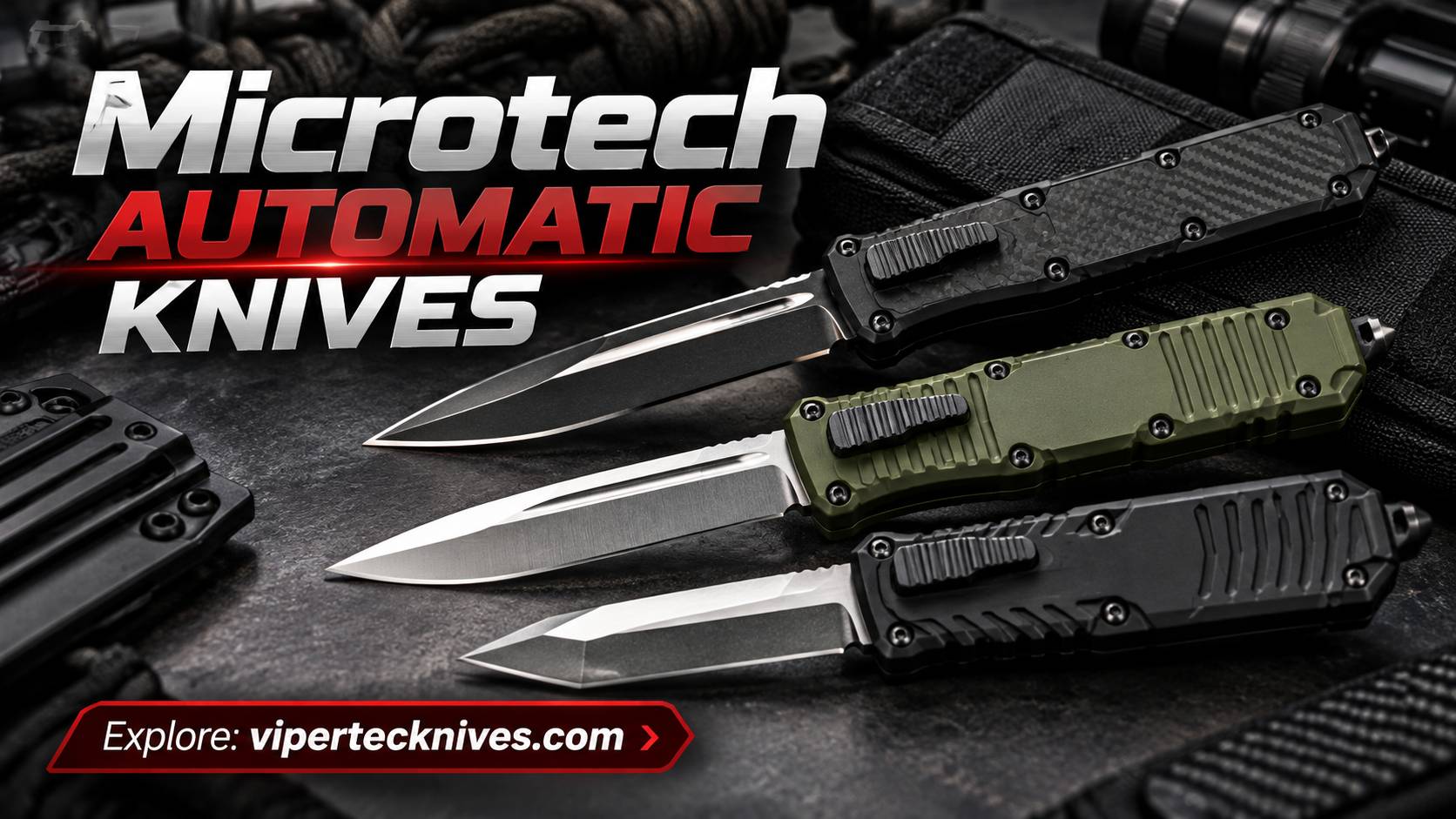

A knife that might seem just perfect to look at on a screen turns out to be quite a disappointment when it comes to your hands. It might be too big to fit into your pocket, its control mechanism too awkward for you, or its design inappropriate for the tasks you need it for.
Finding the best automatic knives for sale in 2026 starts with a clear idea of what you need. Whether you want a compact tool for occasional cutting or another design for your collection, focus on the details that affect ownership: size, operation, blade configuration, and support.
Start With the Reason You Want an Automatic Knife
Before browsing finishes and blade styles, write the tasks you expect to perform. Opening deliveries a few times each week calls for different priorities than regularly cutting packaging or cord.
Also take into account how much time the knife will spend in one particular environment. The type of knife that you will be carrying around all day has a different set of considerations from the one that is bought solely for collection.
Two mandatory features and one preference should be selected. Manageable size and ergonomic controls are necessary for the former, while a certain color of the handle may be considered a preference.
Choose an Opening Mechanism You Want to Use
Automatic knives come in different layouts. Understanding their operation helps you narrow the selection before comparing individual products.
Double-Action OTF Knives
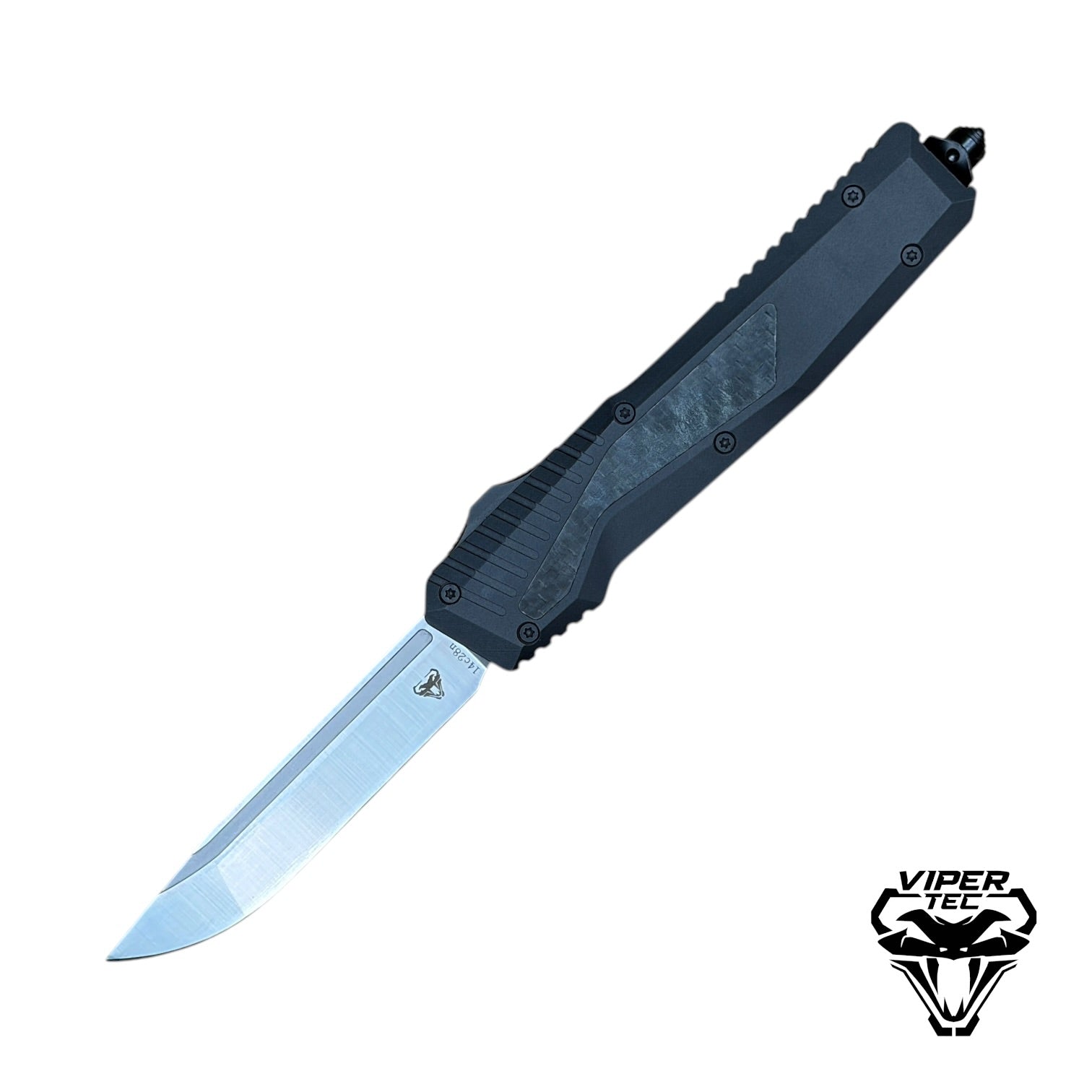
An automatic out-the-front knife moves its blade through the front of the handle. Double-action models use a control for both deployment and retraction. This operating sequence appeals to buyers who want powered opening and closing. OTF identifies the blade path, and some OTF models operate manually. Confirm the exact action rather than relying on the category name.
Side-Opening Automatics
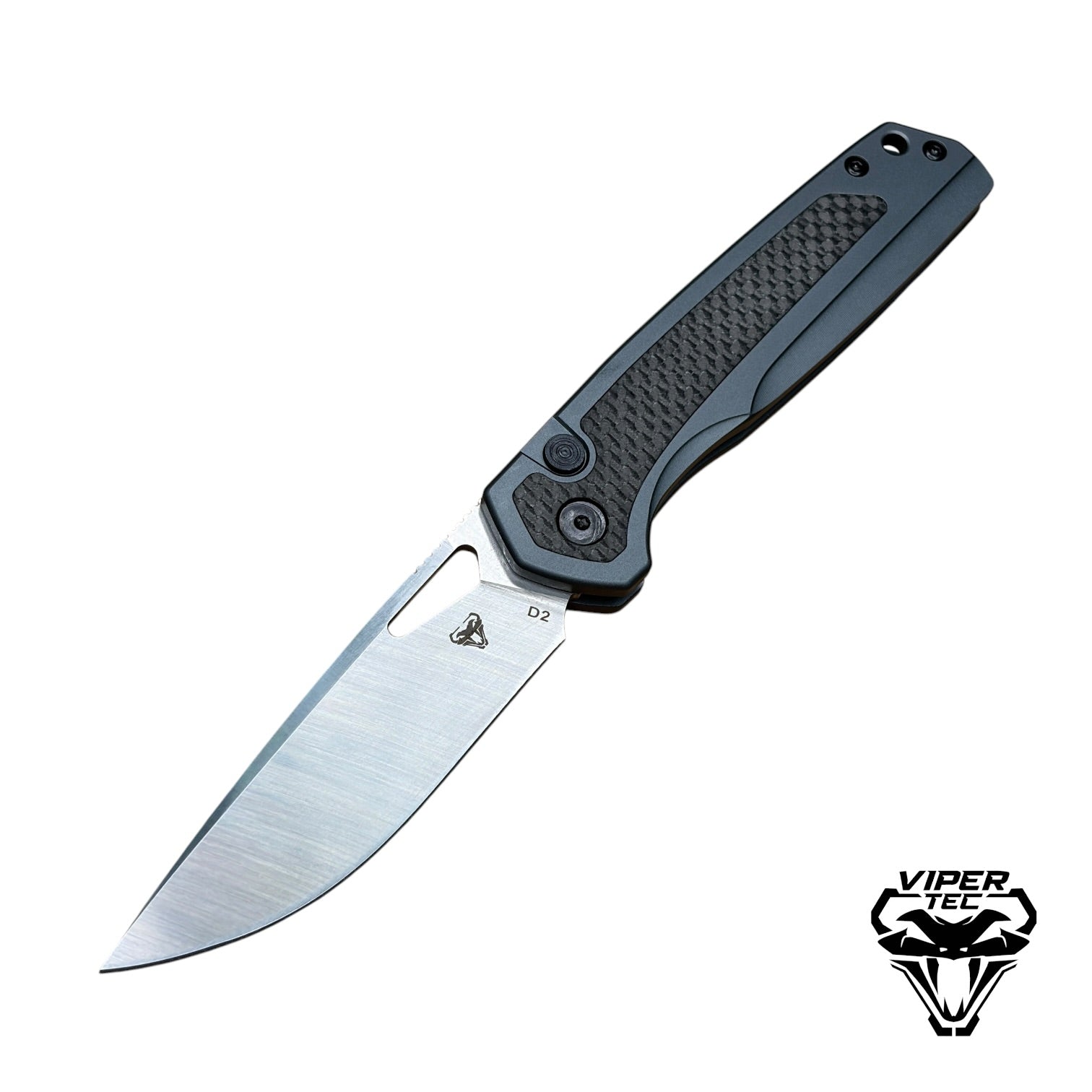
A side-opening automatic swings its blade outward around a pivot. Buyers who like a folding knife layout may prefer this format. Compare button placement, handle contours, and the model’s closing instructions alongside its dimensions.
Get the Right Pocket Fit
Product photographs do not always communicate scale. Compare measurements with a knife or another object you already find comfortable to carry. Focus on these details:
- Handle or closed length: How much room the knife occupies when stored.
- Handle thickness: Whether it will feel bulky alongside other pocket items.
- Total weight: How noticeable it may feel through a full day.
- Blade length: Whether it provides appropriate reach for your tasks.
- Clip configuration: Whether a clip is included and supports your preferred position.
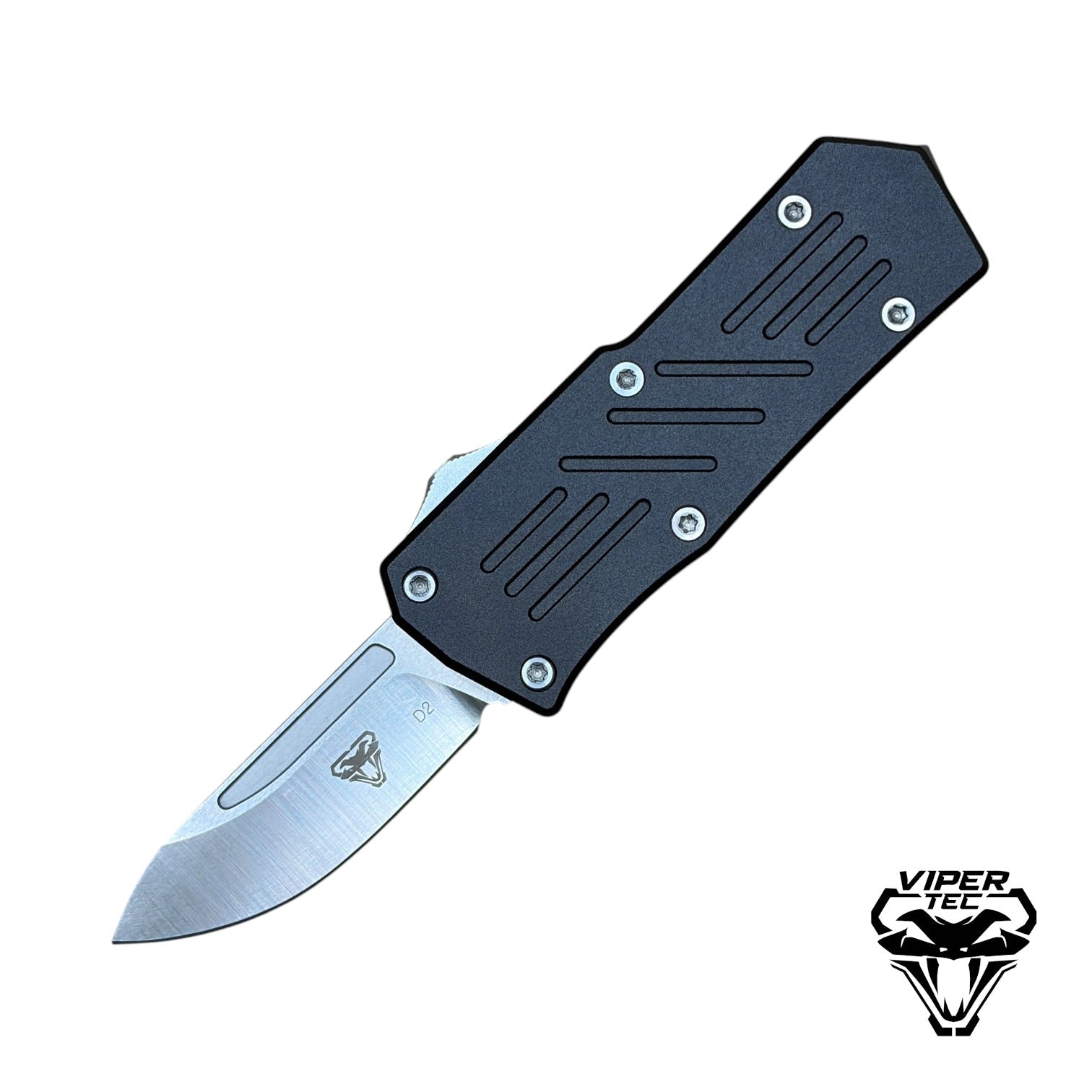
If minimal pocket space is your priority, the mini OTF selection offers a starting point. Still, compact dimensions should leave enough handle for a comfortable grip. The smallest option is not automatically the most useful one.
Compare the Exact Blade Configuration
One product page may offer several versions under the same model name. Blade shape, edge type, steel, and finish can vary between selections. Review the configuration you intend to order instead of assuming every option matches the main photograph.
Consider how you normally cut and maintain a blade. If you prefer a straightforward sharpening routine, compare plain-edge options and familiar profiles. If serrations interest you, look at how much of the blade is serrated and what maintenance equipment the maker recommends.
Steel is another useful comparison point, but it should remain part of the overall decision. Ask what the specification means for your intended use and care routine. Paying for a material upgrade makes more sense when you understand the benefit you expect from it.
Set a Budget Around the Complete Purchase
The best automatic knives for sale are not necessarily the models with the largest markdown. Decide what you are comfortable spending before comparing promotional prices, then identify which features justify any increase.
Include shipping, taxes, and any care supplies you will need. A lower product price can become less attractive once the full checkout total is visible. Likewise, a more expensive knife may offer features you appreciate without being necessary for your routine.
Compare two or three finalists at their current prices. Ask yourself what the additional money buys: your preferred operating style, a more comfortable size, a particular material, or simply a finish. This keeps value connected to your priorities.
Read Reviews for Specific Ownership Details
Reviews are most helpful when they describe experiences you can compare with your needs. Comments about pocket weight, grip space, clip placement, or control resistance may tell you more than a general rating.
Look for observations repeated across several reviews while checking whether reviewers bought the same version you are considering. A comment about one blade configuration or an older model may not describe the current listing accurately.
Use reviews to identify questions for the seller. They can add context, but they should not replace published specifications or clear answers about the product.
Find an Automatic Knife That Fits Your Needs
Viper Tec Knives provides automatic OTF, switchblade, and small folding pocket knife models in various sizes and blade designs. Compare your selected list with your cutting needs, carrying convenience, and budget. Review each model’s materials, opening mechanism, and care requirements to make an informed choice. Contact Viper Tec Knives to find the best automatic knives for sale that fit your needs and budget.
Frequently Asked Questions
Begin with your regular cutting chores and desired carry size. Compare the opening and closing system, handle size, weight, and clips available. Decide on controls that work easily for you, and read the care instructions prior to purchasing. The specification sheet is more important than any beautiful product picture.
Set a budget that includes the knife, shipping, taxes, and any maintenance supplies you need. Compare current prices for models with similar features. Spend more when an upgrade serves a clear purpose, such as preferred dimensions or materials, rather than assuming a higher price guarantees satisfaction.
Take into consideration the experience of the receiver, the comfort of their hands, their method of choice, and how they intend to use the scissors. Make sure you know their preference before choosing the size and style of the blade. Make sure that you ask about the return policy and gift orders from the merchant.
Price differences may reflect blade steel, handle construction, finishing, mechanism design, or included features. Compare the exact configurations rather than model photos alone. Also consider service and warranty terms. The better value is the knife whose features and ownership requirements fit your needs at an acceptable cost.