




Automatic Pocket Knives for Sale at Viper Tec
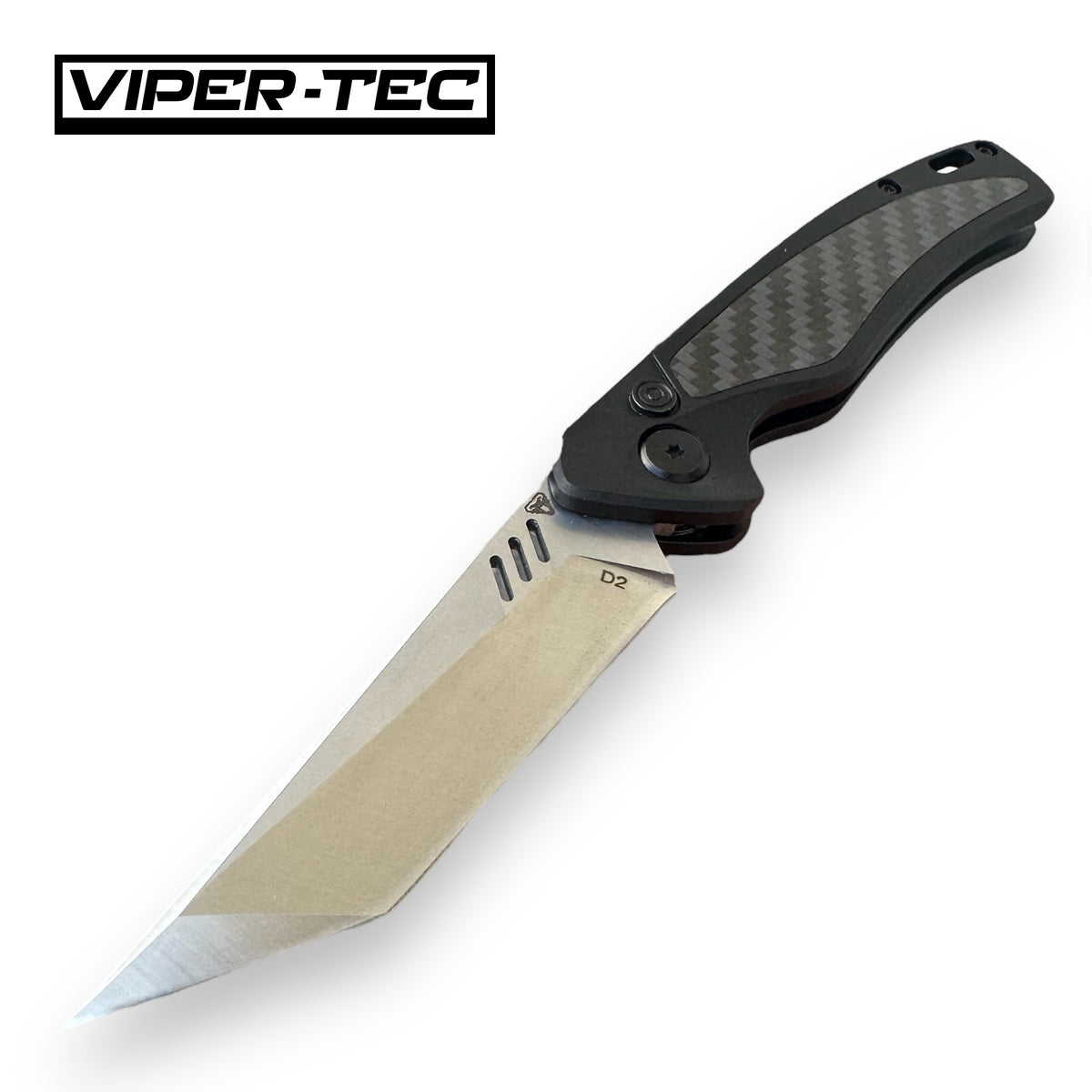
Browse automatic knives for sale at Viper Tec, from compact pocket-sized models to full-size designs. This collection brings together push-button automatic knives, side-opening folders, and out-the-front models so you can compare opening styles, blade options, and prices in one place.
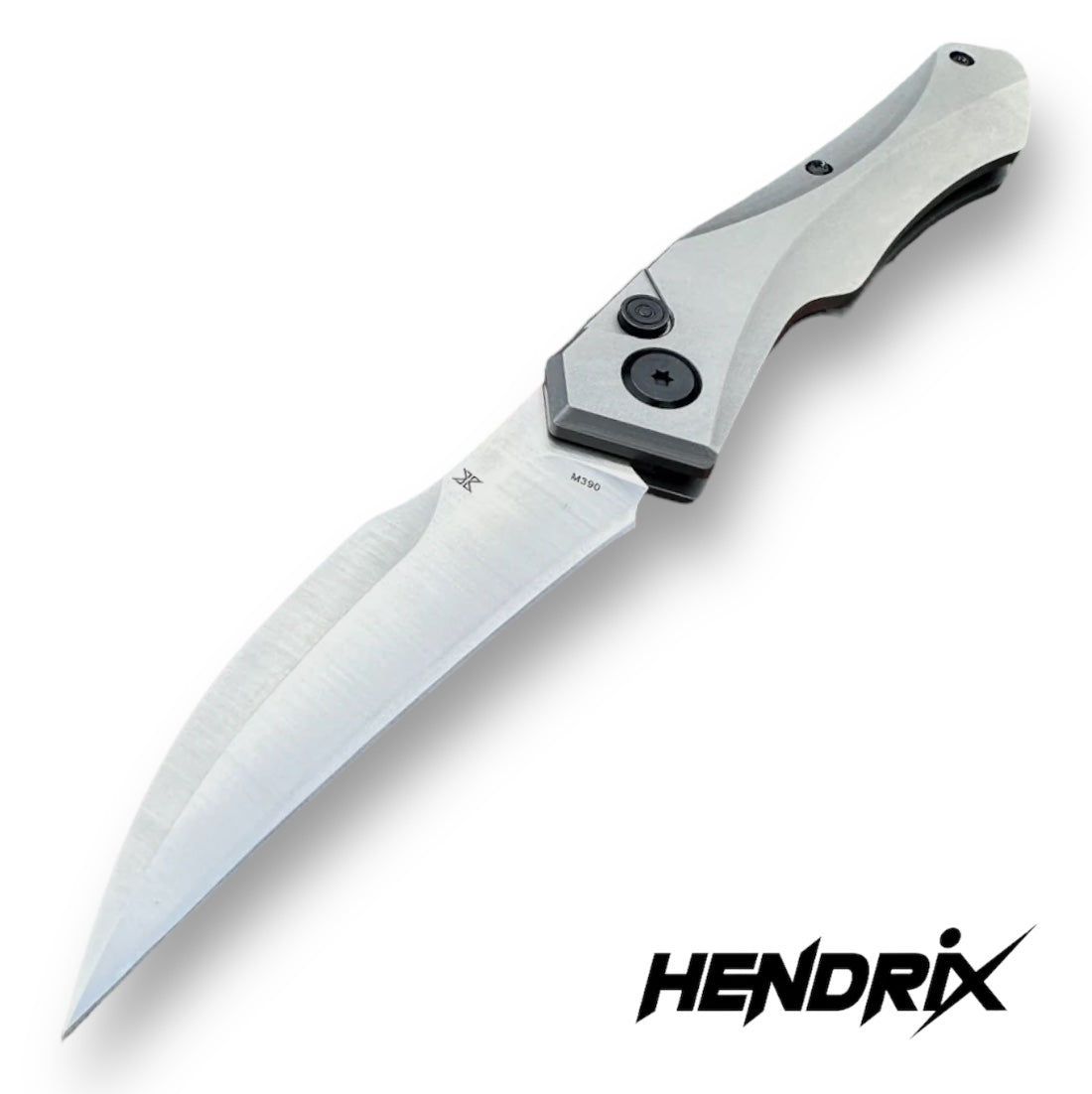
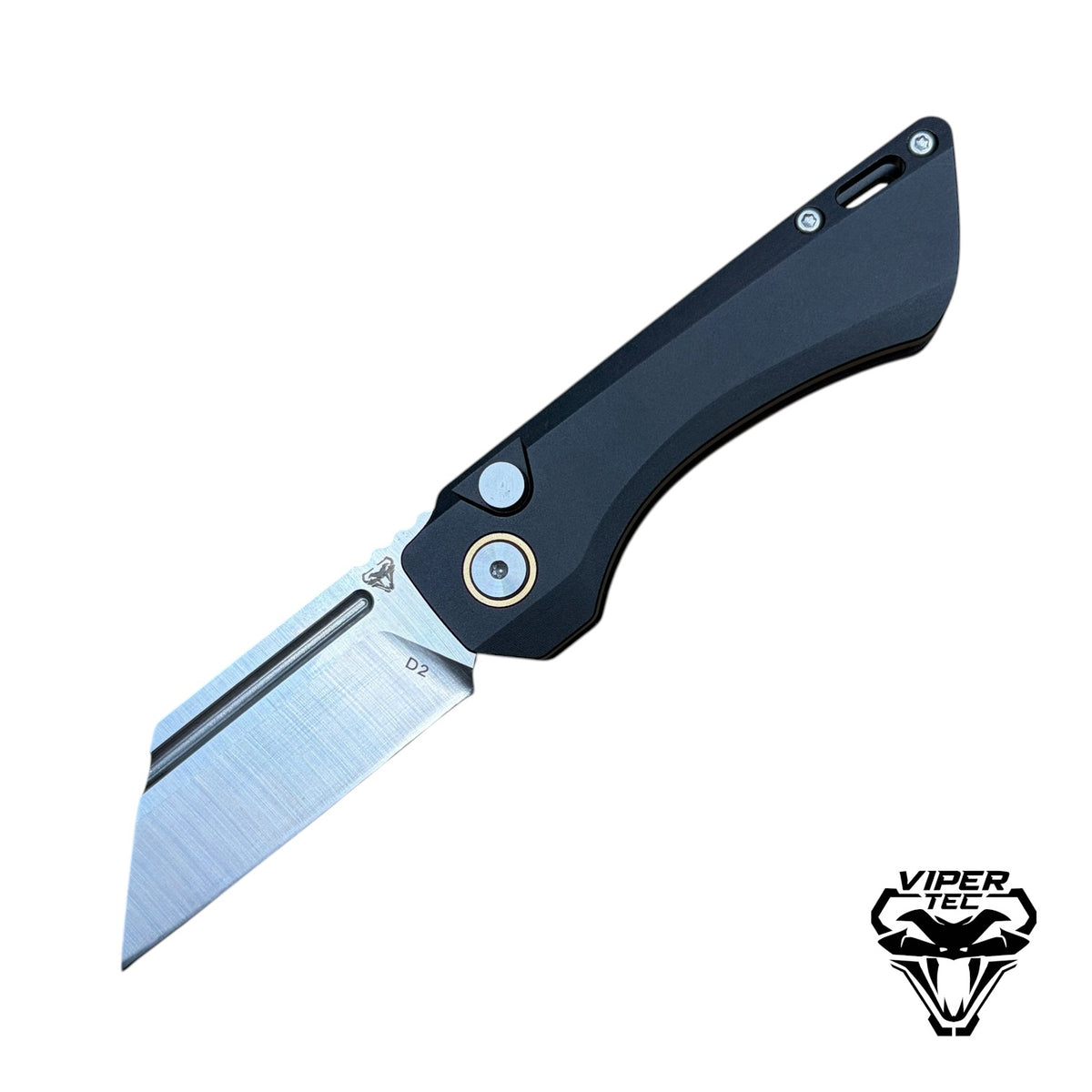
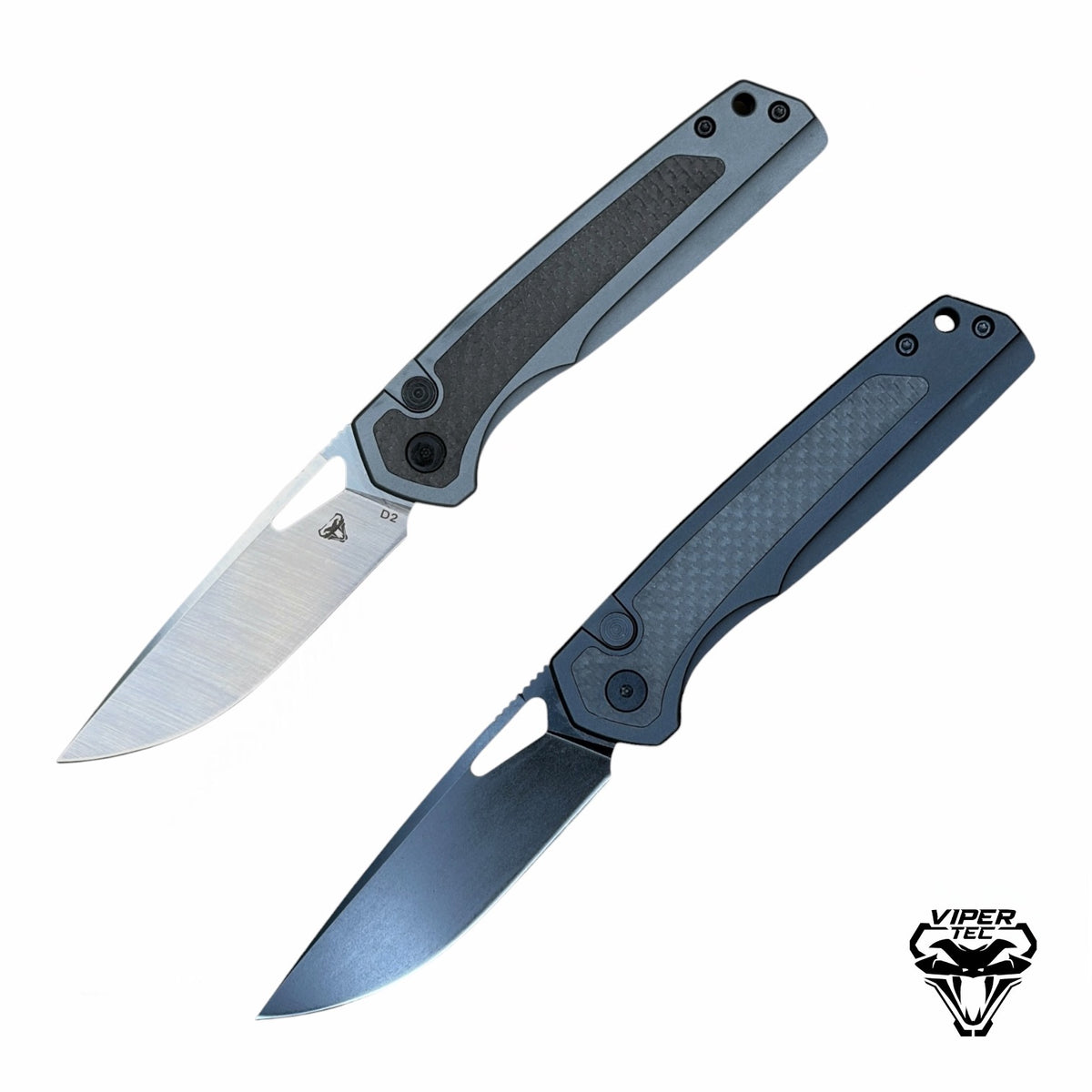
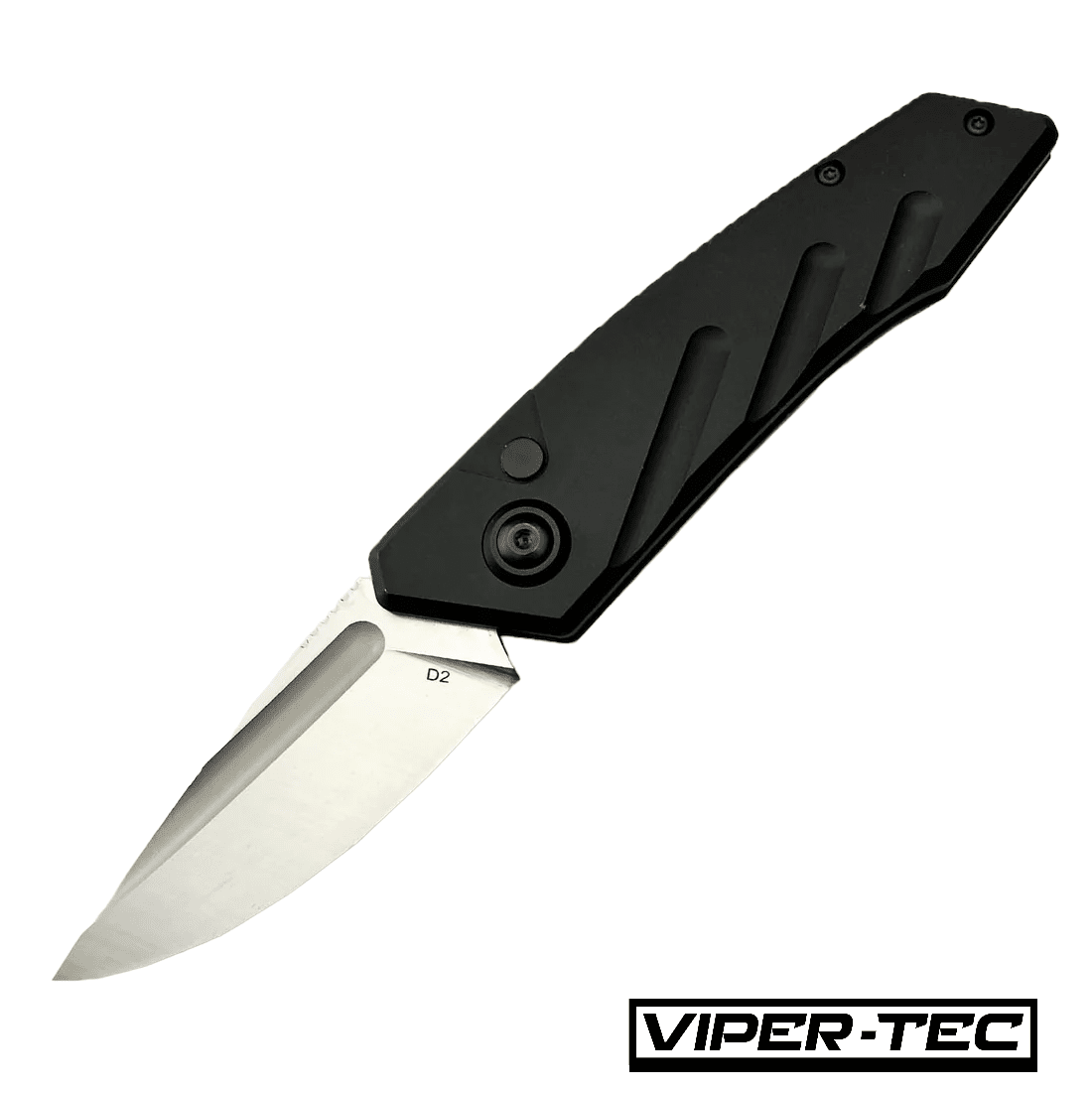
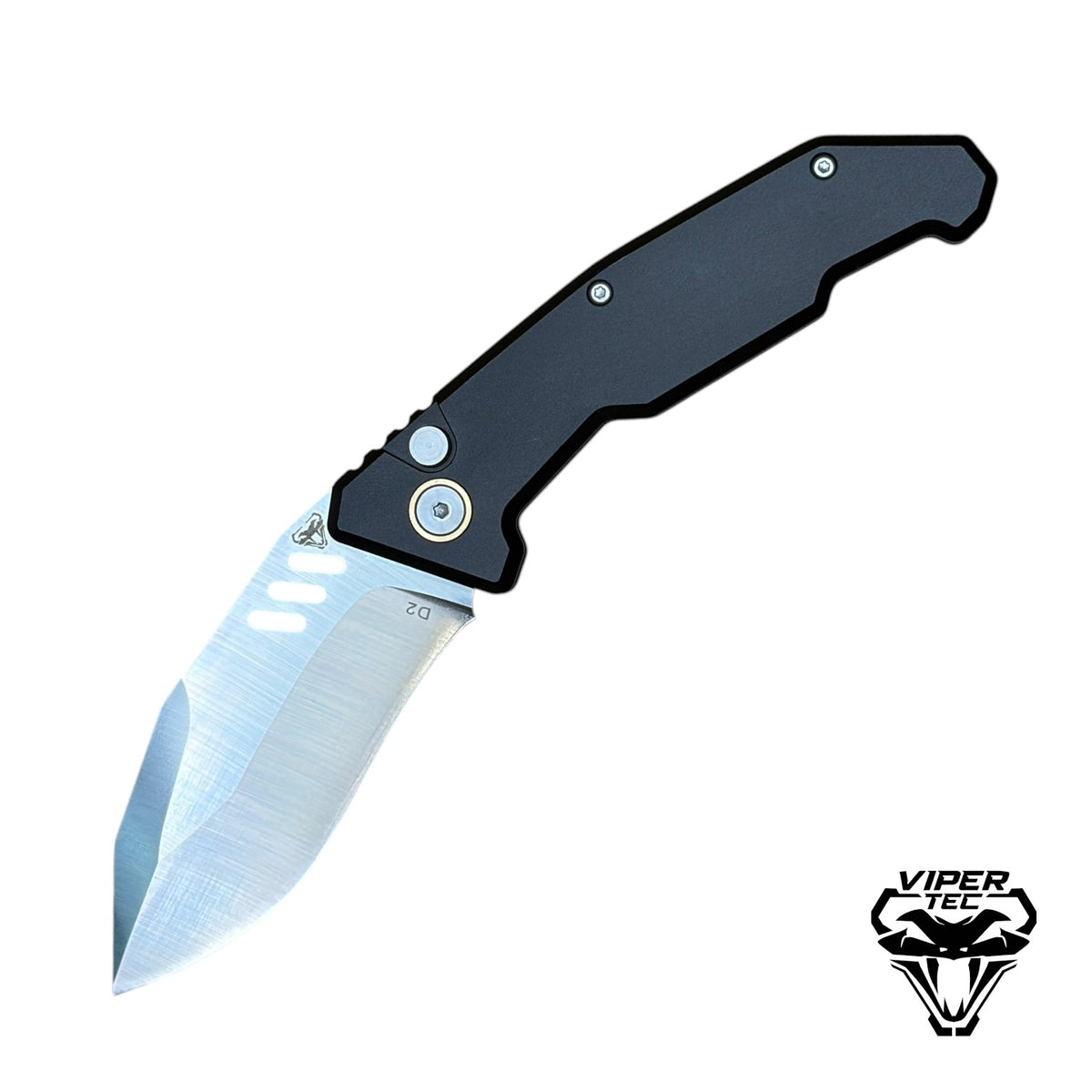
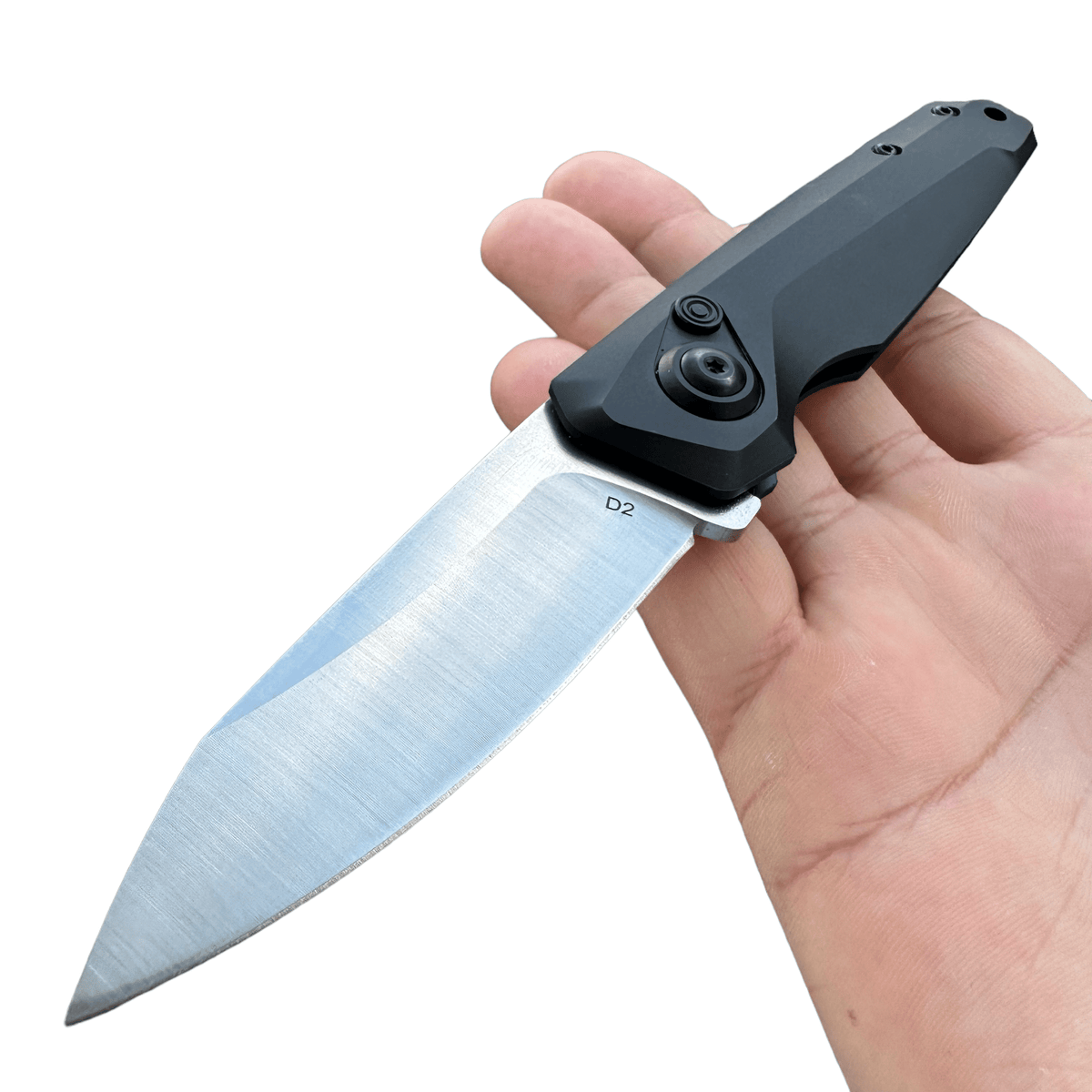
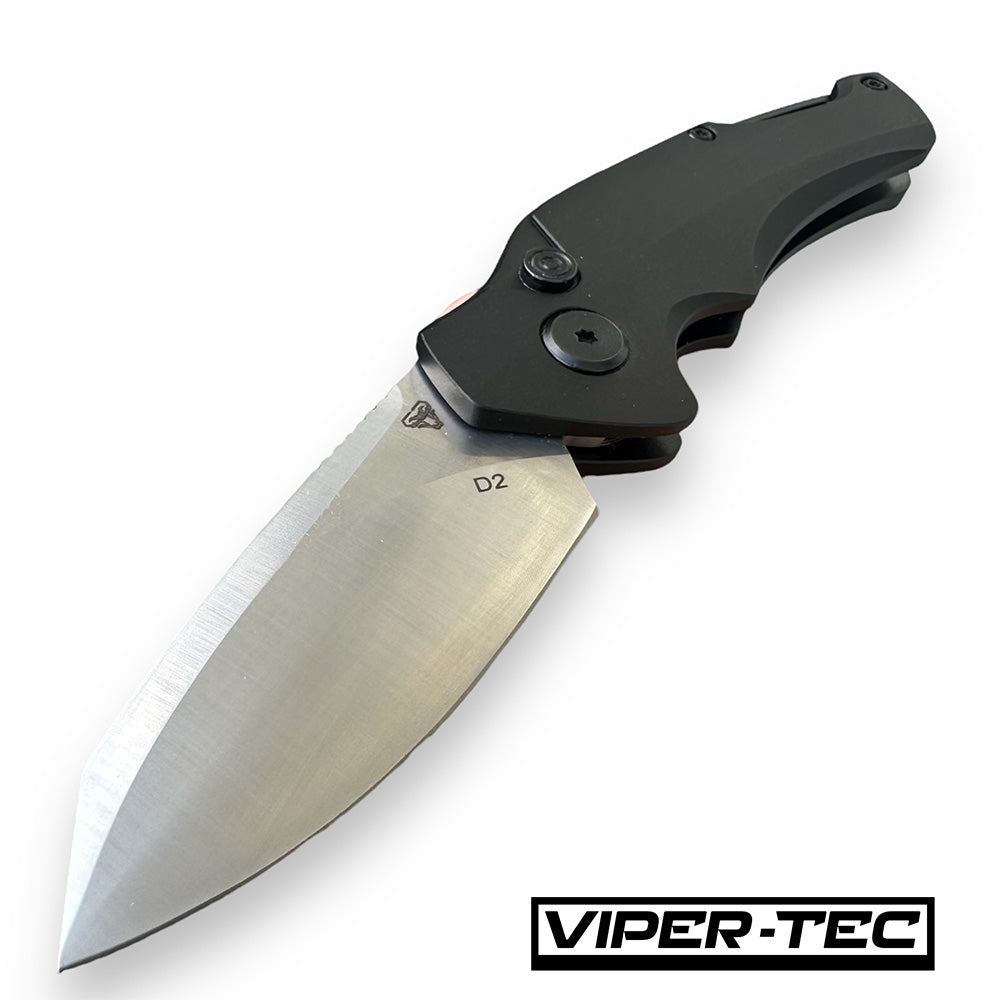
Prefer a folding design? Explore side-opening automatic knives with blades that pivot out from the handle, including models operated by a push button. Compare our switchblade knives and check individual listings for release controls, blade steel, and pocket clip placement.
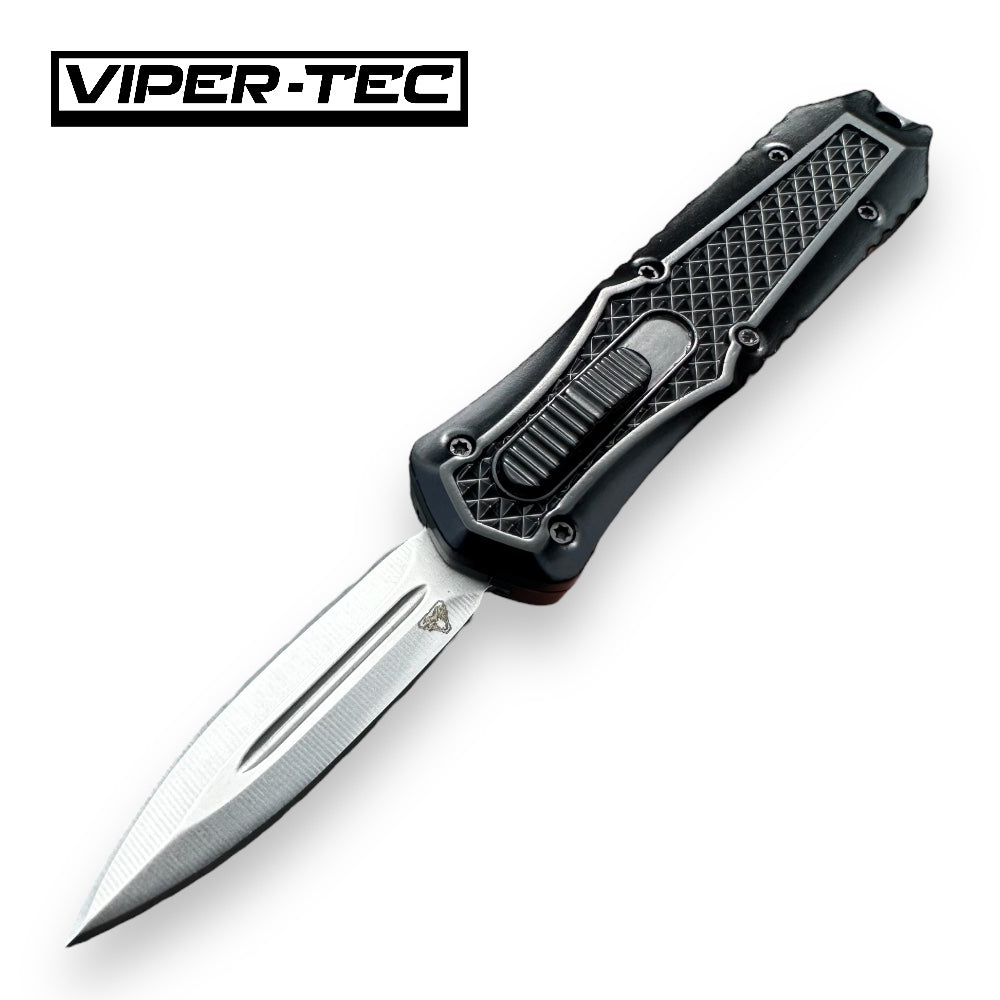
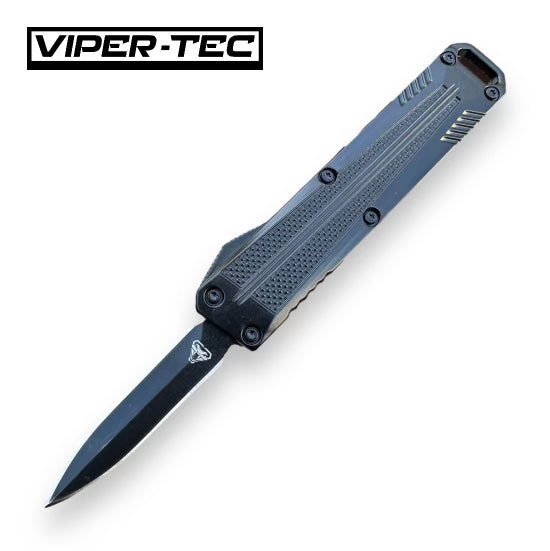
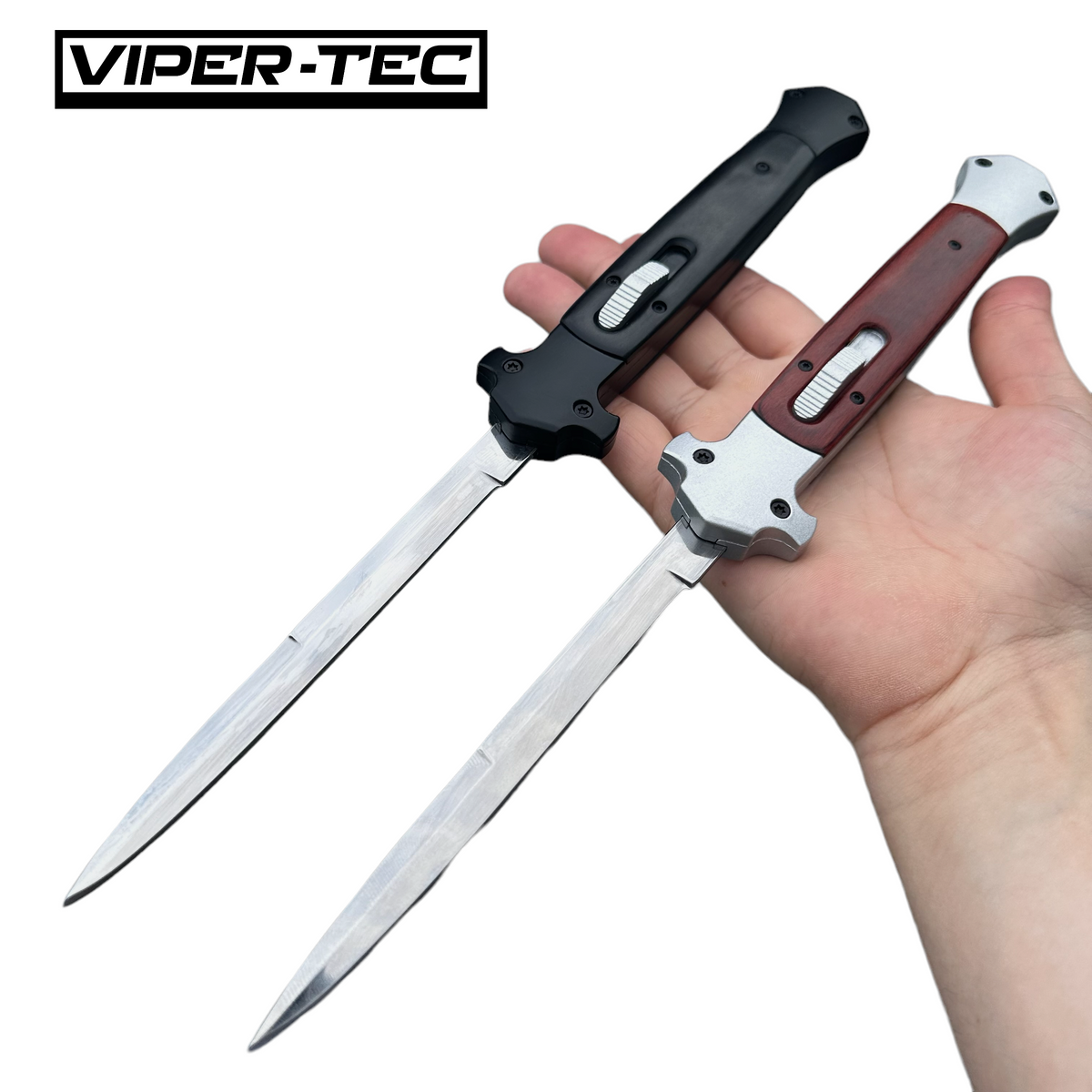
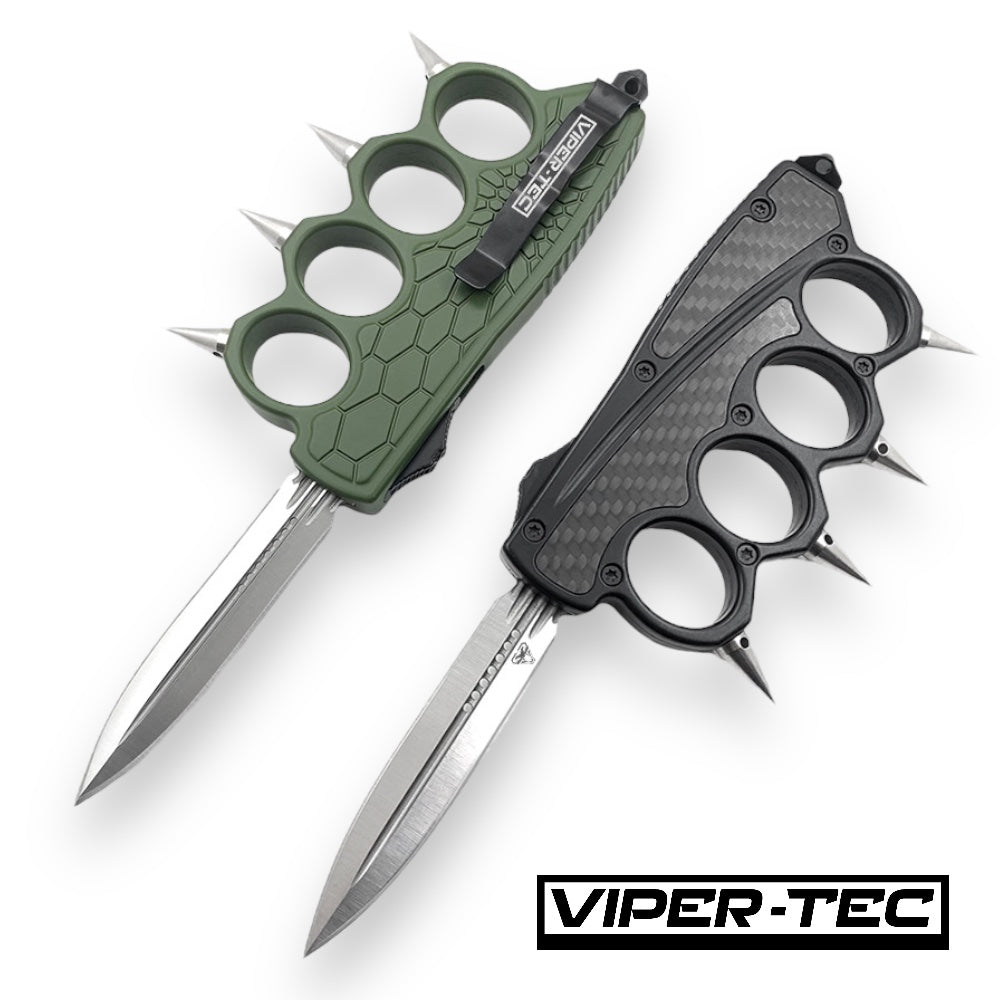
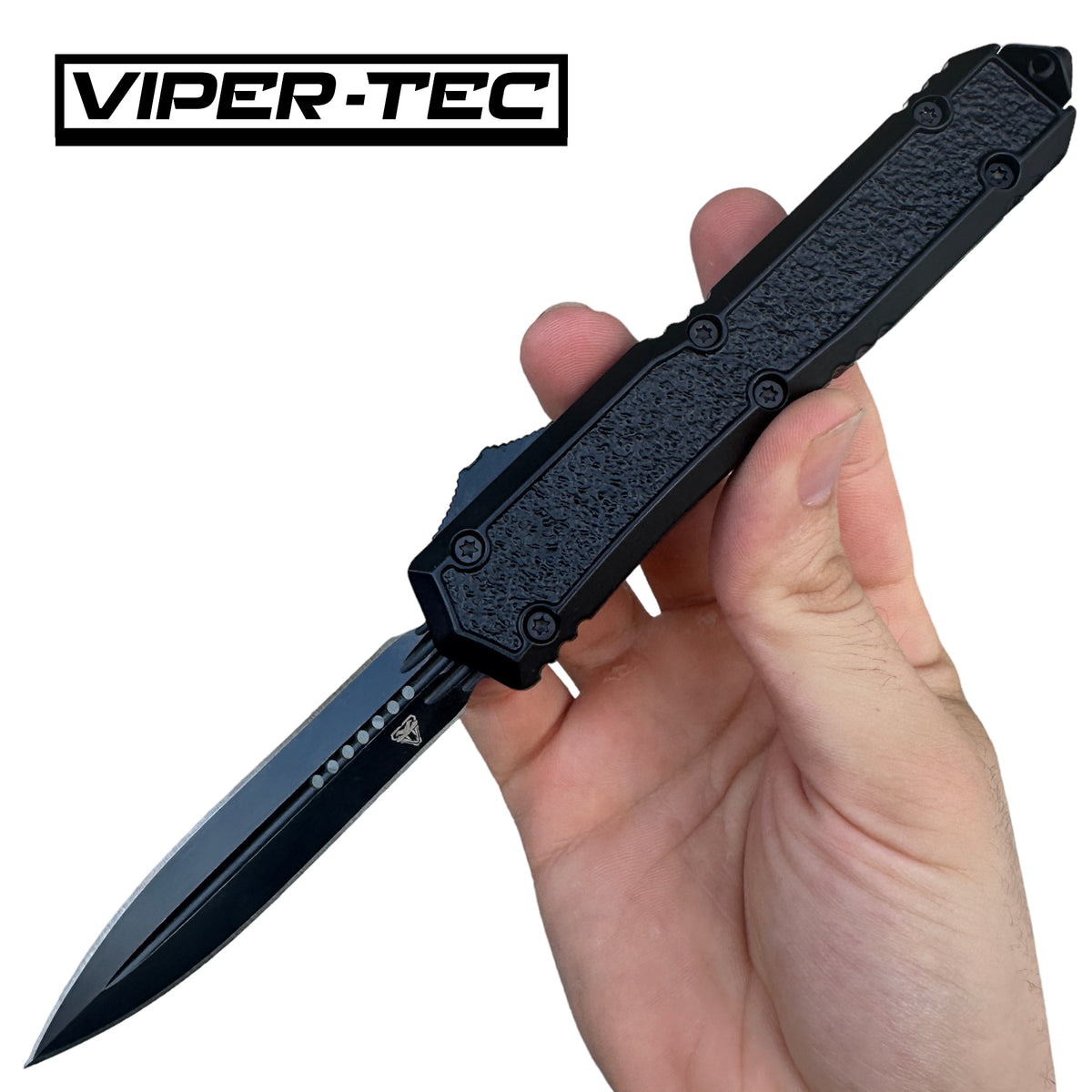
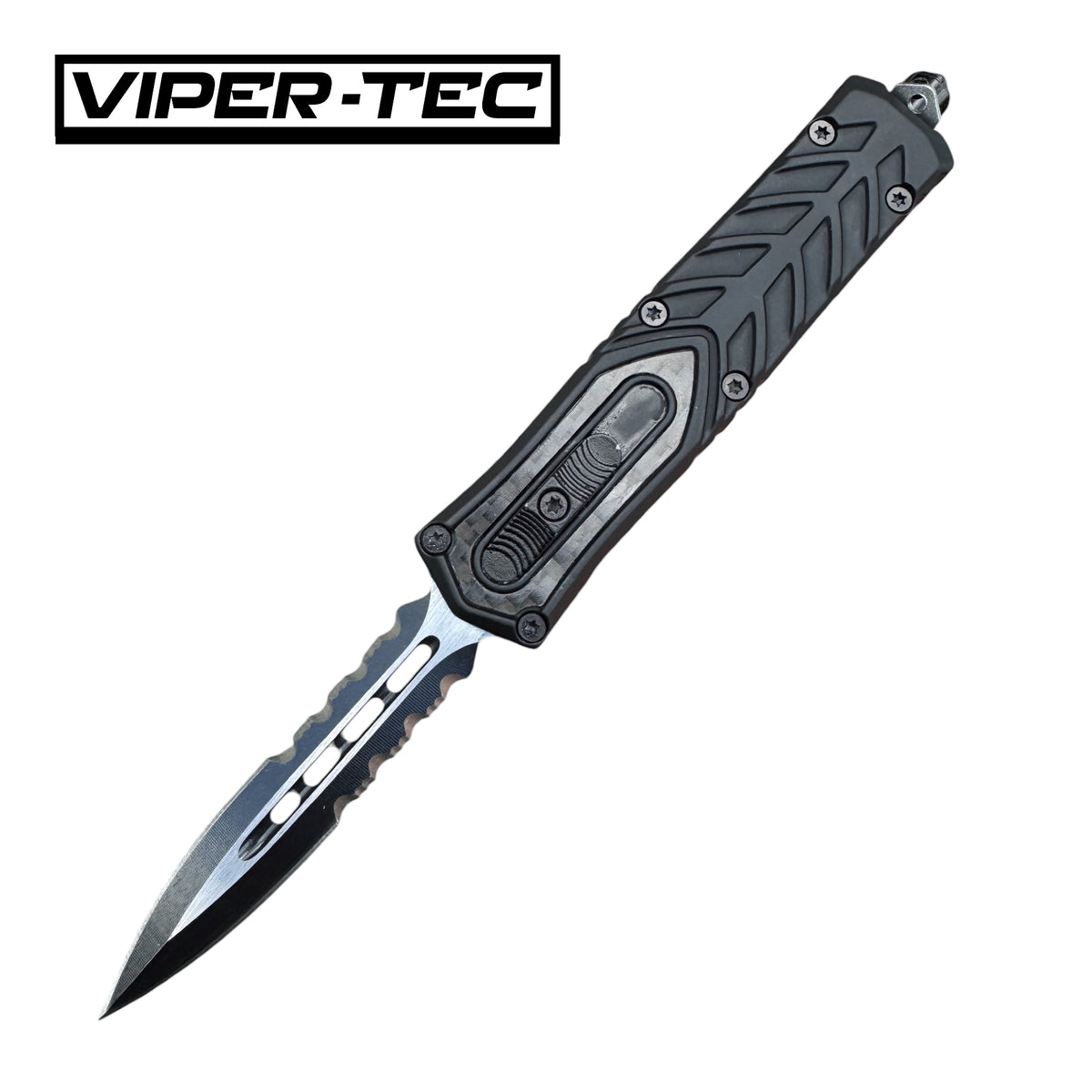
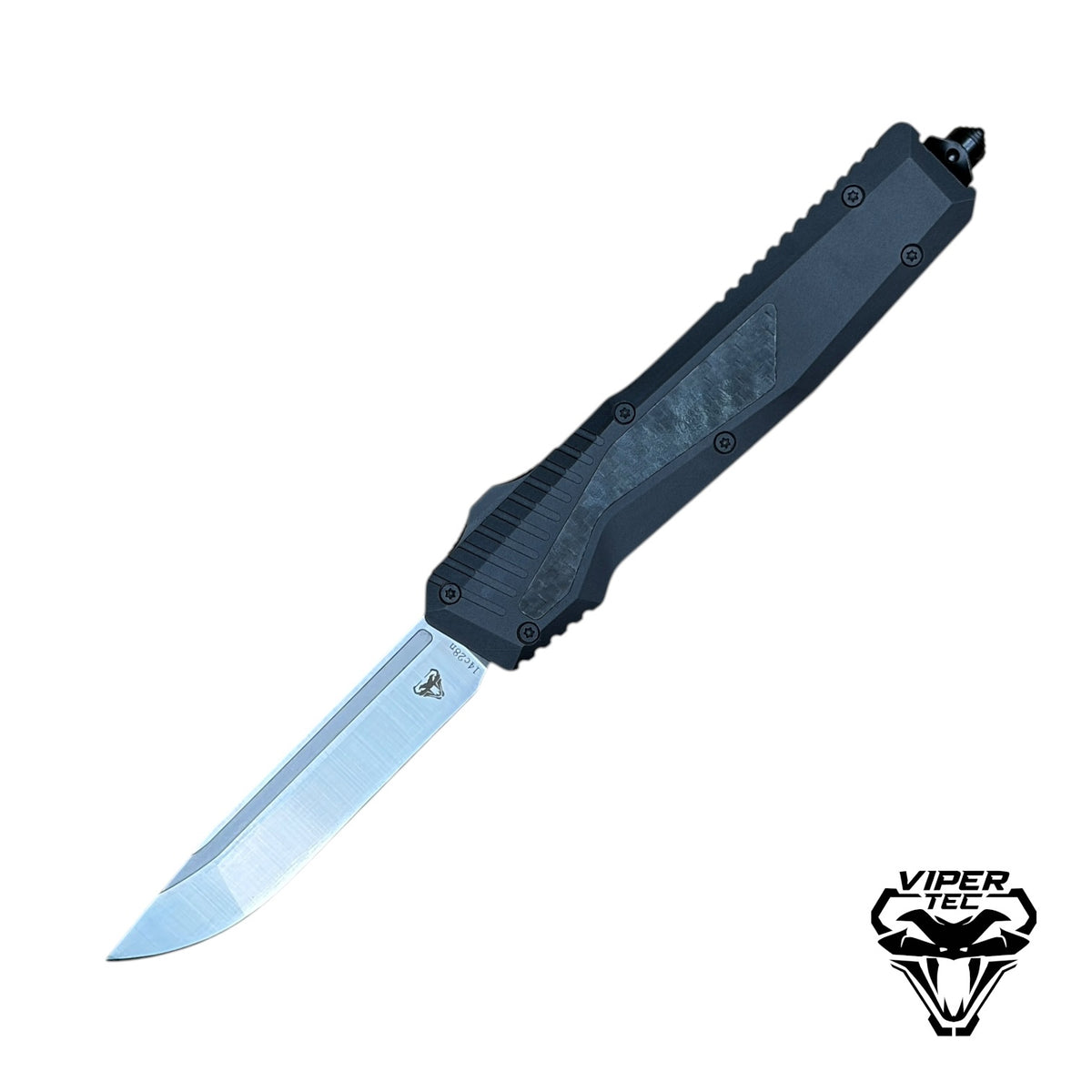
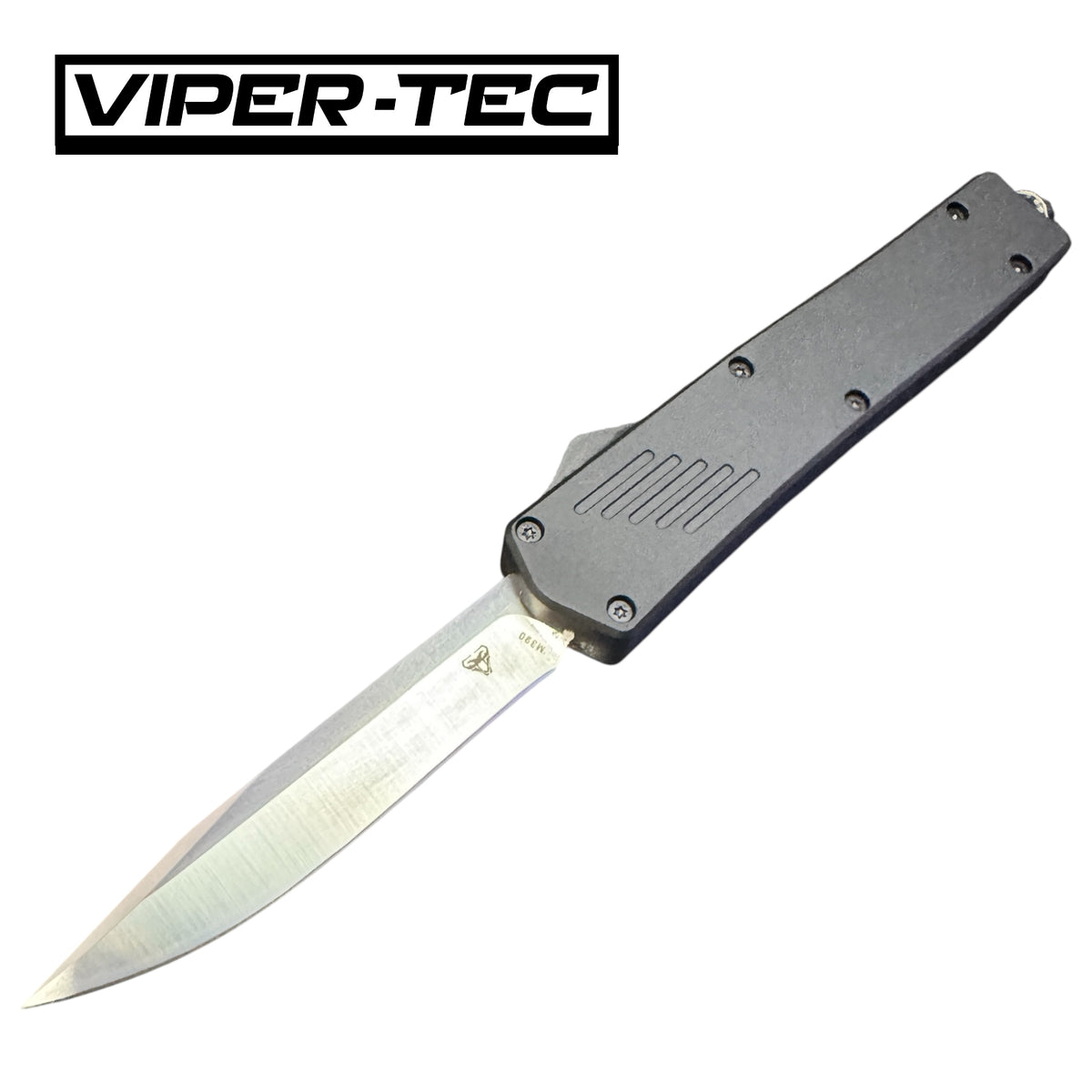
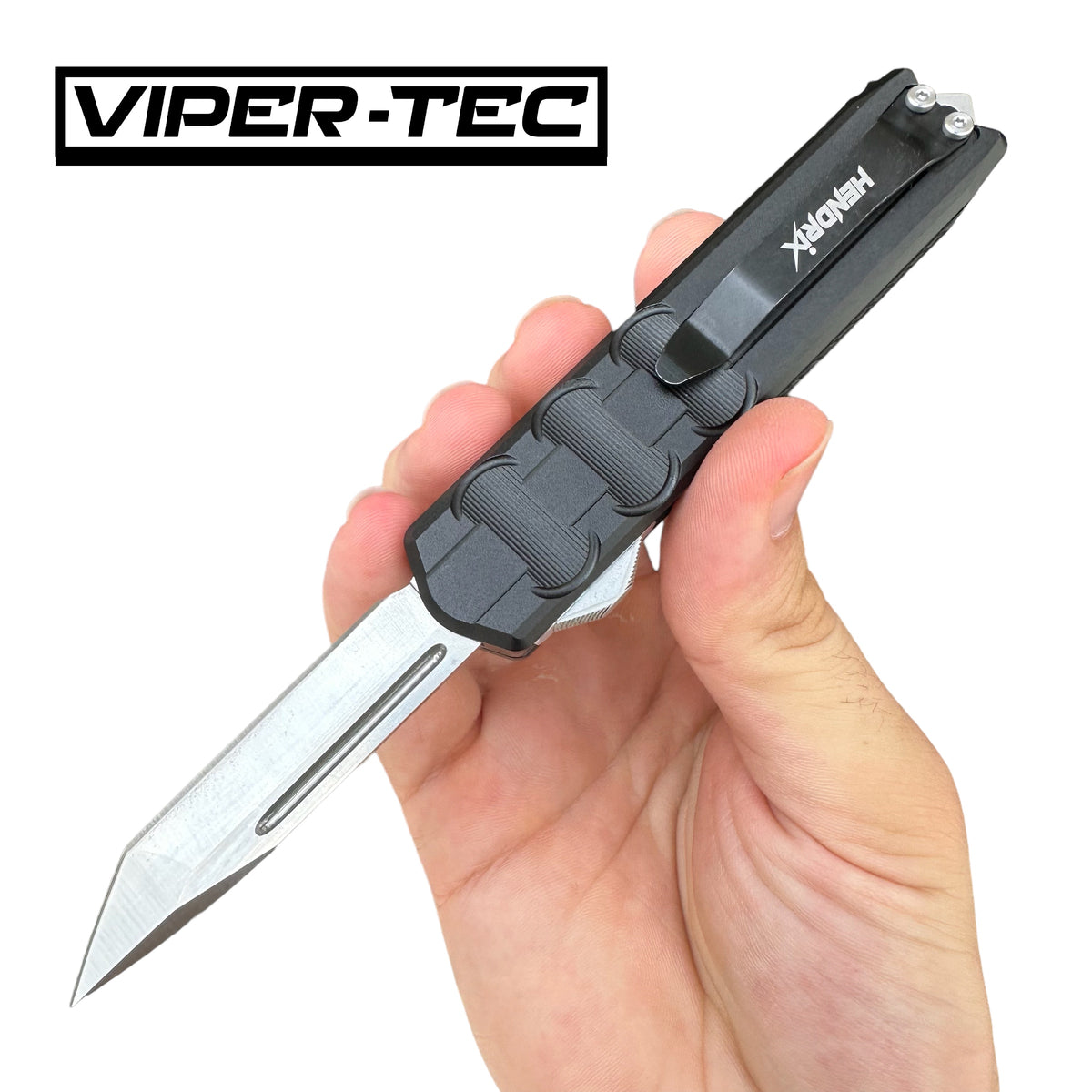
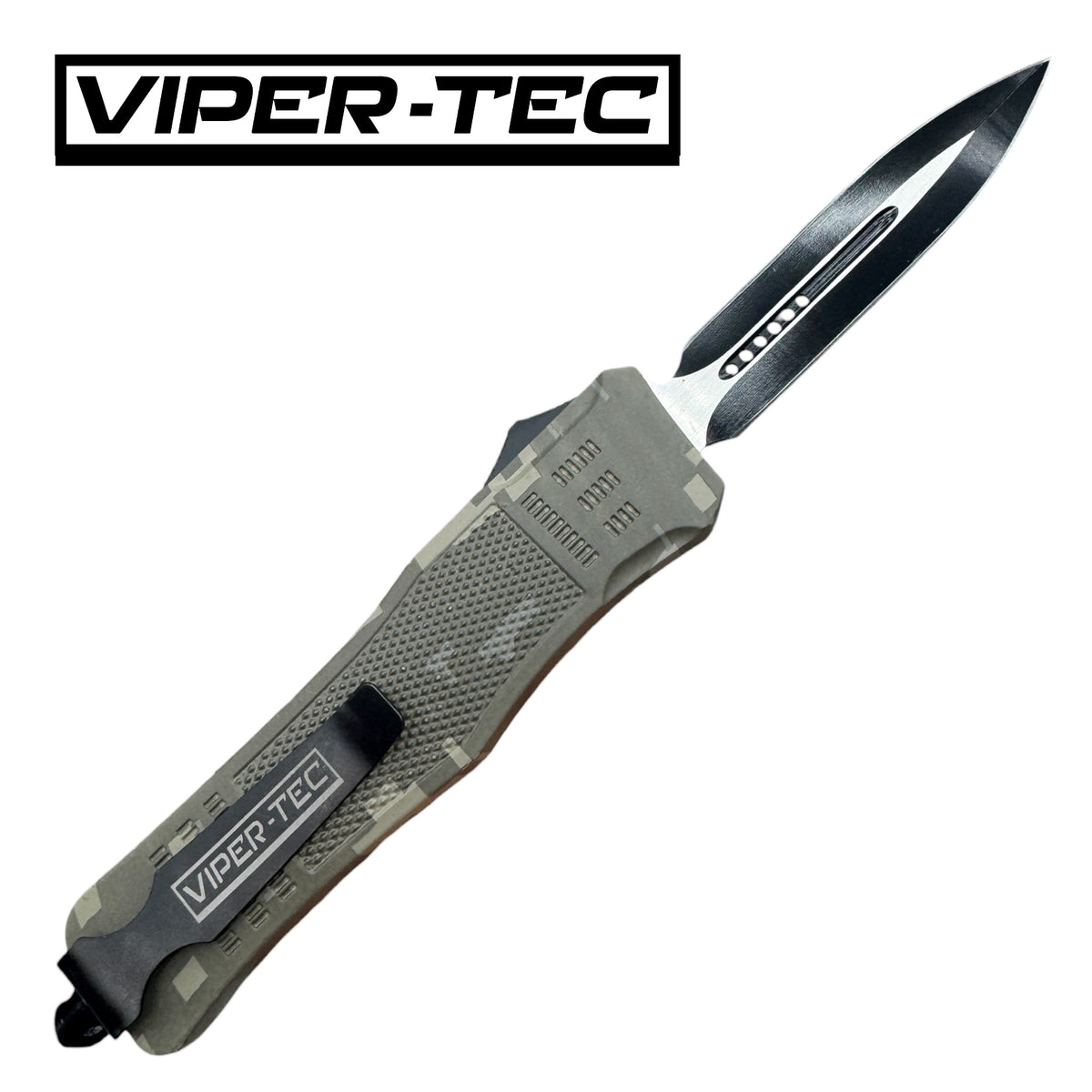
For straight-line deployment, shop our OTF knives, including double-action models that extend and retract using a thumb slide. If you prefer an elongated profile, browse our automatic stiletto knives and compare the available blade shapes and handle finishes.
Narrow your selection by price and availability, then compare blade length, closed dimensions, and weight on each product page. Whether you are choosing your first automatic pocket knife or adding a different opening style to your collection, the specifications help you find a model that fits your preferences.
FAQ & Buying Guide
Which Automatic Knife Opening Style Should I Choose?
Compare automatic knives by opening mechanism, blade style, and size. A push-button folder and an out-the-front knife offer different blade movements and controls. Check how each model opens and closes before choosing.
OTF Automatic Knives
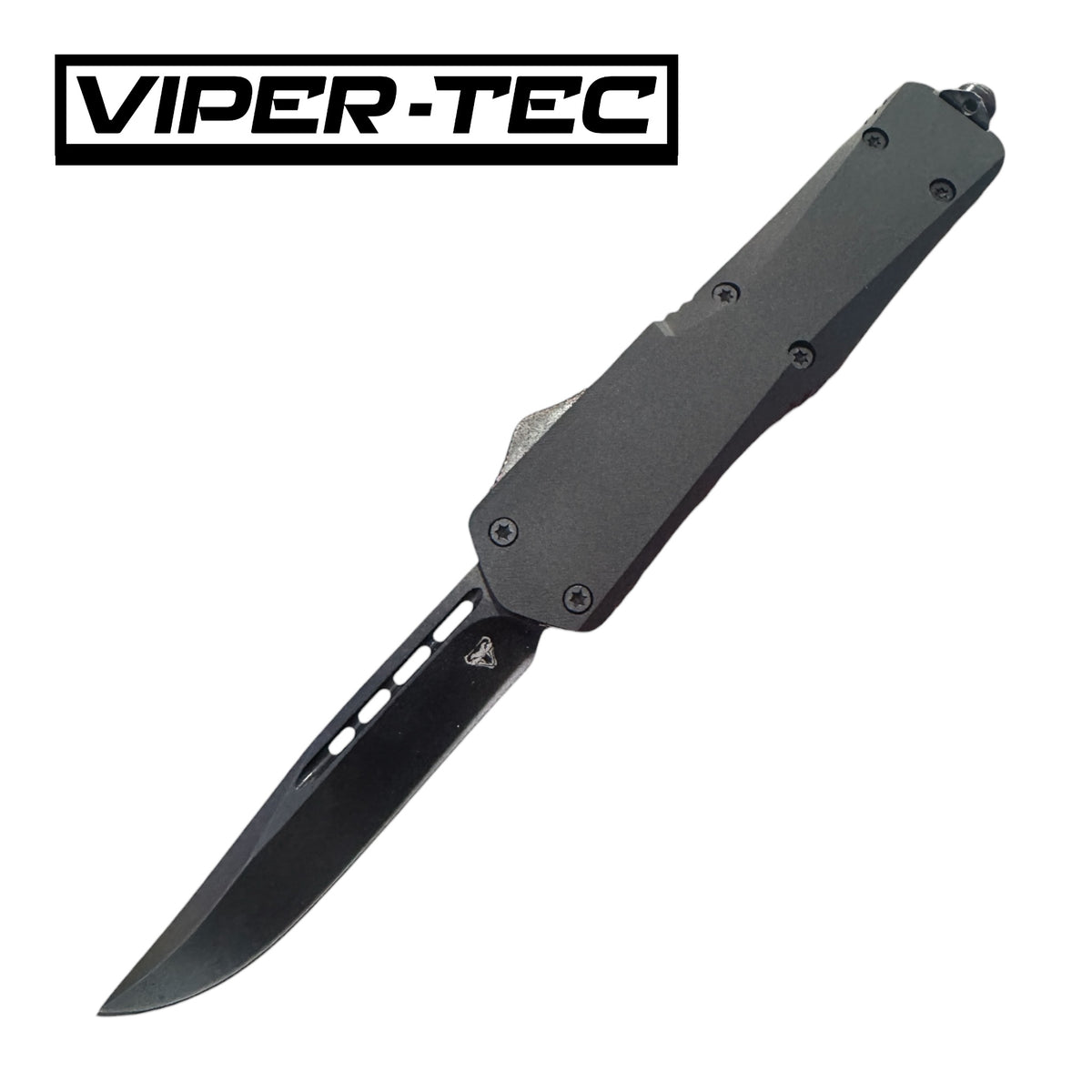
An OTF automatic knife deploys its blade straight through the front of the handle. Double-action models use a thumb slide to both extend and retract the blade. Browse our OTF knives collection to compare blade lengths, handle sizes, and blade shapes.
Side-Opening Automatic Knives
Side-opening automatic knives swing the blade outward from the handle around a pivot. Push-button automatic knives use a button to release the opening mechanism. Closing procedures vary by model, so check each product’s operating instructions. Explore our switchblade knives to compare available designs.
Automatic Stiletto Knives
Stiletto describes a knife style rather than a single opening mechanism. Our stiletto OTF knives combine a distinctive elongated profile with out-the-front operation. Check each listing for blade shape, edge configuration, and overall length.
How Do I Choose an Automatic Pocket Knife?
When comparing automatic knives for sale, start with your preferred opening style. Then review the specifications that affect how you carry, operate, and maintain the knife.
- Blade length and closed size: Check both measurements to understand the blade’s length and how much room the closed knife takes up in your pocket.
- Blade shape and edge: Compare available profiles, such as tanto and drop point, along with plain, partially serrated, or double-edge configurations.
- Blade steel: Consider edge retention, corrosion resistance, and sharpening needs. Check the exact steel listed for your selected model and blade option.
- Handle and pocket clip: Compare handle material, weight, grip texture, and clip placement. Check whether the clip is fixed or reversible.
- Opening and closing: Review the controls and closing instructions for the specific model. Not every automatic knife retracts or closes automatically.
Are Automatic Knives and Assisted-Opening Knives the Same?
No. An automatic knife opens through a powered mechanism when its button, slide, or other release is activated. With an assisted-opening knife, the user starts moving the blade manually before the assisting mechanism completes the opening.
A button lock alone does not make a knife automatic. Some manual folding knives use a button to release the blade lock without providing automatic deployment. Check the opening mechanism in the product specifications rather than relying on the appearance of a button.
Are Automatic Knives Also Called Switchblades?
In common knife terminology, automatic knives are also called switchblades. The term can describe both side-opening automatics and automatic out-the-front designs, rather than one particular blade shape.
When comparing models, look beyond the name. The product specifications should identify whether the blade pivots out of the side or travels through the front, which control opens it, and how it closes.
What Is the Difference Between Single-Action and Double-Action OTF Knives?
A single-action automatic OTF knife uses its powered mechanism to deploy the blade, but requires a separate manual step to retract or reset it. A double-action OTF uses its control to power both deployment and retraction, typically by moving a thumb slide forward and backward.
These terms describe the mechanism, not the blade’s cutting edges. A double-action knife does not necessarily have a double-edged blade. Check both the action type and edge configuration in the listing.
Which Blade Shape Should I Choose for an Automatic Knife?
Choose a blade shape around your cutting tasks and sharpening preferences. A drop point generally offers a curved cutting edge suited to varied utility work. A tanto typically has a more angular profile with a distinct transition between its main edge and tip.
Also compare the edge configuration. A plain edge offers a continuous cutting surface, while a partially serrated blade adds a toothed section for fibrous materials. Double-edge designs have sharpened edges on both sides. Blade shape names alone do not tell you whether one or both sides are sharpened, so review the exact option.
What Size Automatic Knife Should I Buy?
Compare blade length, closed length, overall length, and weight together. A smaller automatic pocket knife takes up less space, but its shorter handle may feel different in your hand. A larger model can provide more handle room and cutting length while adding bulk.
For out-the-front designs, compare our mini OTF knives, small OTF knives, and large OTF knives. Use the listed measurements rather than the size category alone when comparing individual models.
What Should I Look for in an Automatic Knife’s Blade Steel?
Compare edge retention, corrosion resistance, toughness, and ease of sharpening. These qualities involve trade-offs, so the right steel depends on how you use and maintain your knife.
Steel type is only part of the comparison. Heat treatment, blade geometry, and edge thickness also affect performance. Check the steel specified for your exact model and blade option rather than assuming every knife in a series uses the same material.
How Do I Care for an Automatic Knife?
Follow the manufacturer’s maintenance instructions for your specific model. Keep the blade clean and dry, remove accessible pocket lint, and use only the recommended lubricant and quantity. Excess oil can attract debris.
Keep fingers clear of the blade’s travel path during operation and maintenance. Avoid forcing a mechanism that feels obstructed or disassembling the knife without checking the manufacturer’s guidance. If deployment or lockup becomes unreliable, stop using the knife and contact support.