

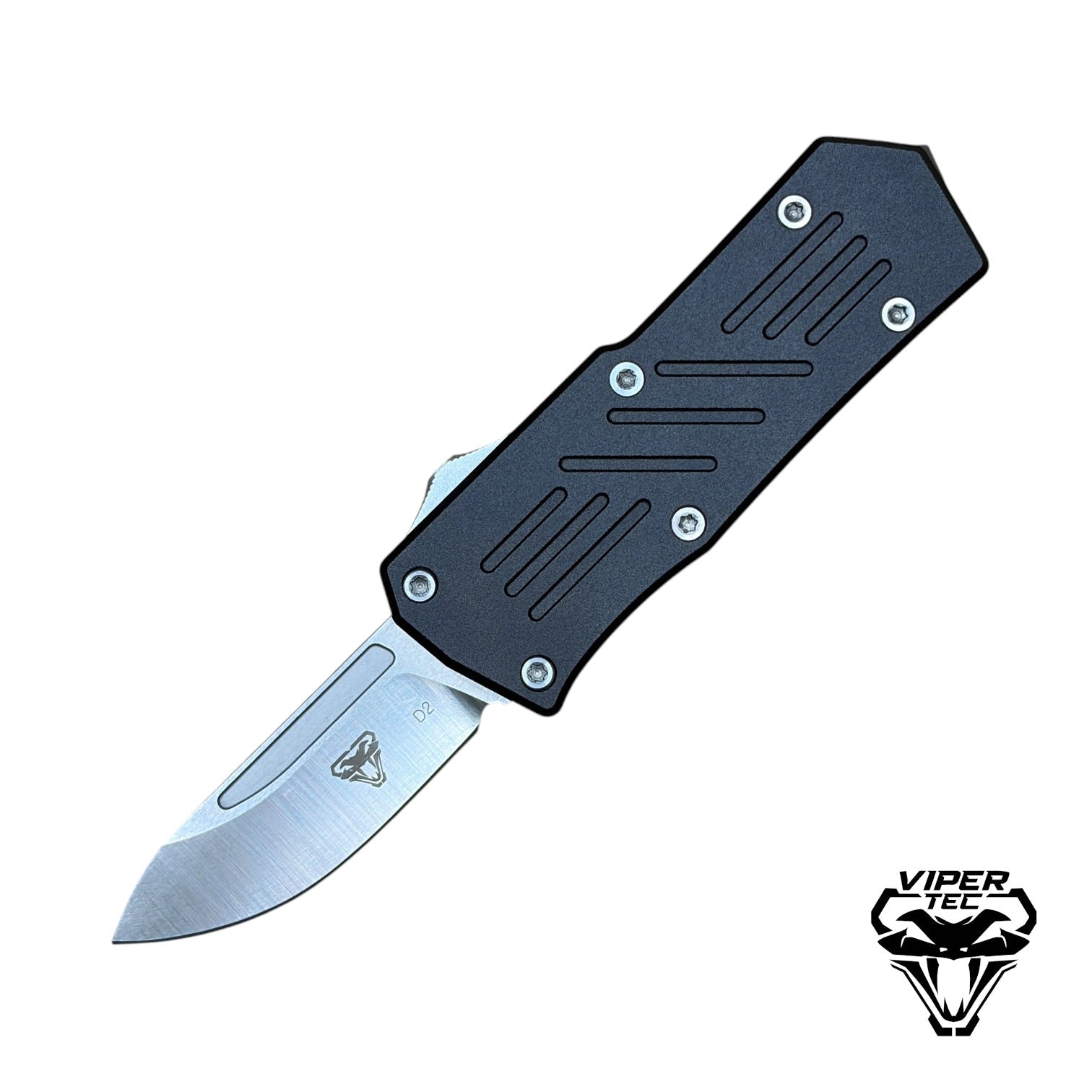
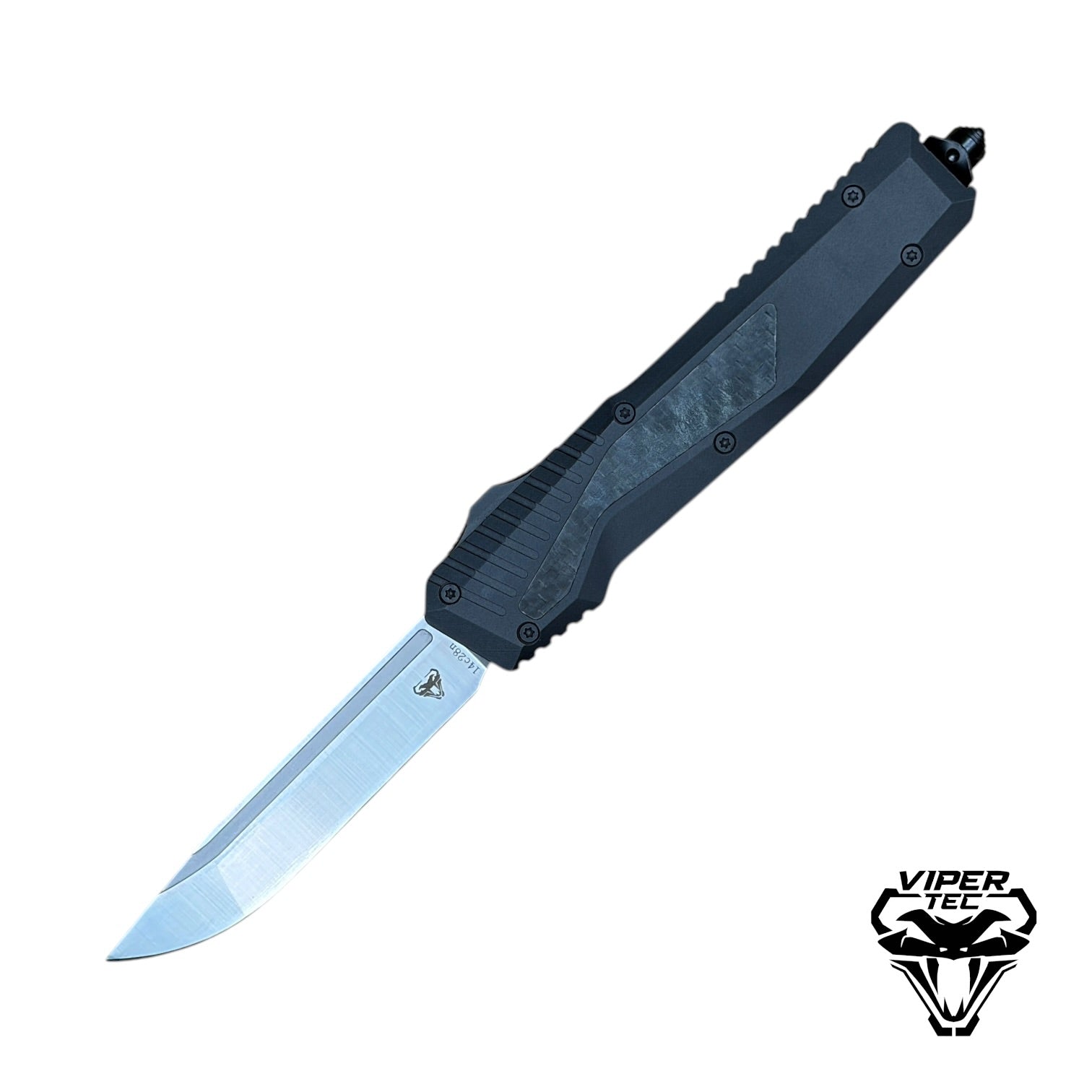
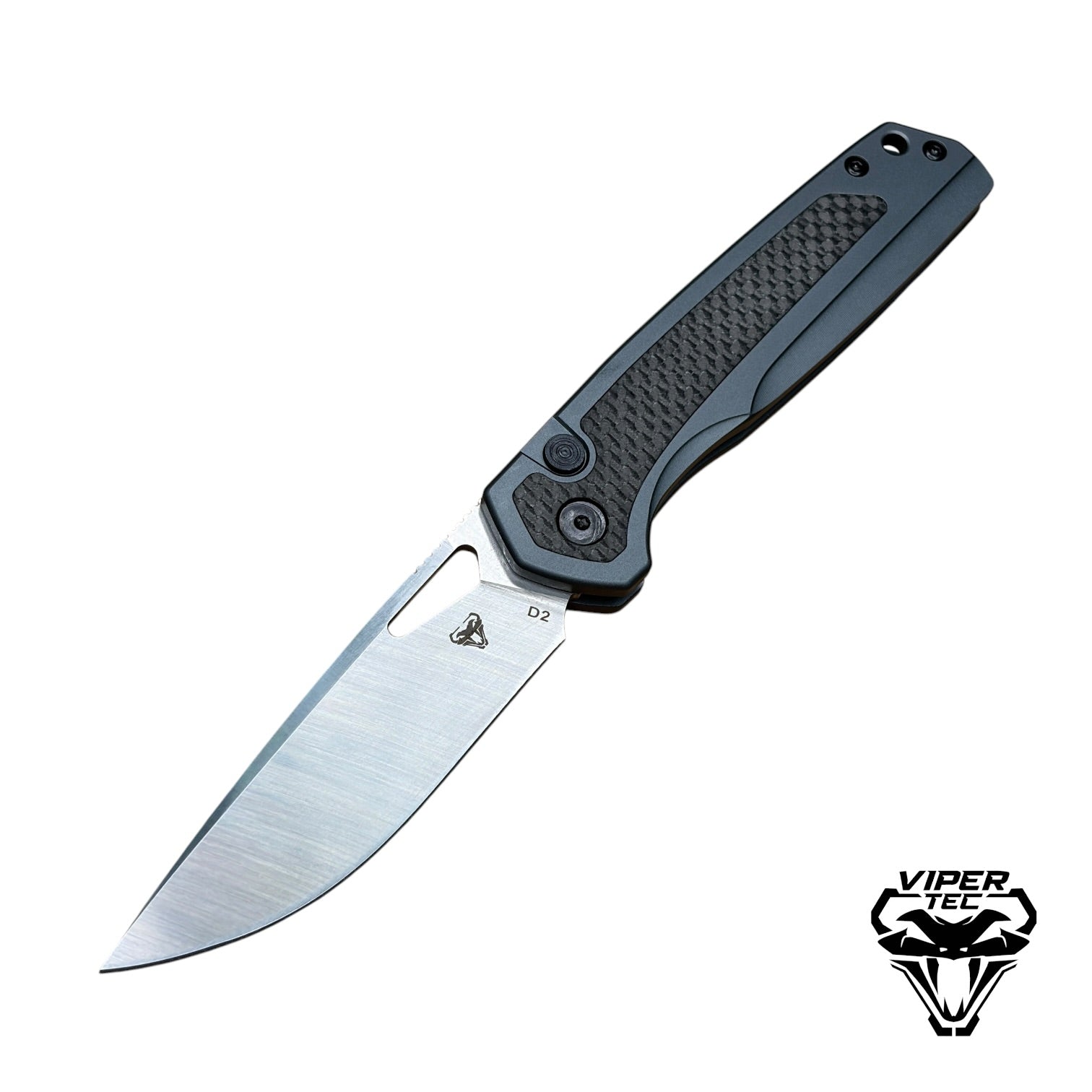
Getting started with flipping butterfly knives can feel exciting at first, but it may also seem a bit overwhelming. The combination of motion, timing, and control makes it a skill that takes patience to develop, but the results are both satisfying and impressive. If you are new to butterfly knives, this guide will walk you through the basics and help you build a strong foundation with confidence.
Understanding The Basics Before You Flip
Before diving into any tricks, it’s essential to understand how a butterfly knife works. A butterfly knife, also known as a balisong, consists of two handles that rotate around the blade. Learning how to grip a butterfly knife and control those handles is important.
Start your practice with a butterfly knife designed for training. This reduces risk and allows you to focus on coordination. Practice opening and closing the butterfly knife slowly; speed will come later.
Essential Beginner Tricks
Getting started with butterfly knife tricks is all about building confidence through simple, controlled movements. These beginner tricks help you understand how the knife moves and responds in your hand. Some of the essential beginner tricks are as follows:
- Basic Open: This is the first trick most beginners learn. It involves opening the knife with a controlled wrist motion while maintaining a firm grip.
- Basic Close: Learning to close the knife safely is just as important as opening it. This trick improves control and timing, allowing you to return the knife to a closed position smoothly and securely.
- Safe Handle Grip Switching: This trick focuses on identifying and holding the safe handle correctly while switching grips.
- The Simple Fan: It involves rotating the knife in a circular motion using your fingers.
Building Confidence Through Practice
The progress always comes with repetition. So, if you want to get better at something, you have to practice it a lot. For instance, to flip the butterfly knife perfectly, you have to set aside a few minutes each day to practice flipping. It will help your body to learn how to do the flips.
As you progress in your practice, you will steadily become good at controlling the butterfly knife. While practicing, you must pay attention to how you are holding the butterfly knife while you are flipping it. It can be beneficial if you film yourself while practicing. This can help identify areas for improvement. As your skills grow, you’ll naturally become more confident handling butterfly knives.
Choosing The Right Butterfly Knife For Your Journey
Butterfly knives are not all the same, as they can differ in build quality, balance, and performance. Selecting the right one is crucial. For instance, if you are just starting with a butterfly knife, then you may need a knife that is strong and has a good feel in your hand. Also, it must be easy to flip and spin around. Moreover, this makes it easier for you to learn quickly and makes you feel confident as you get better at it.
Start Your Flipping Journey Today
Learning butterfly knife tricks is about patience, practice, and passion. With the right mindset and tools, anyone can develop this unique skill. Explore premium options & enhance your flipping experience with Viper Tec Knives.
